the glove glossary: fourchettes, quirks, points and other words worth knowing
the short answer
the parts of a glove have their own names: the trank is the main piece covering the palm, back and fingers; fourchettes are the strips between the fingers; quirks are small gussets at the base of the fingers; and points are the lines of stitching on the back of the hand. length is measured in buttons, each about an inch.
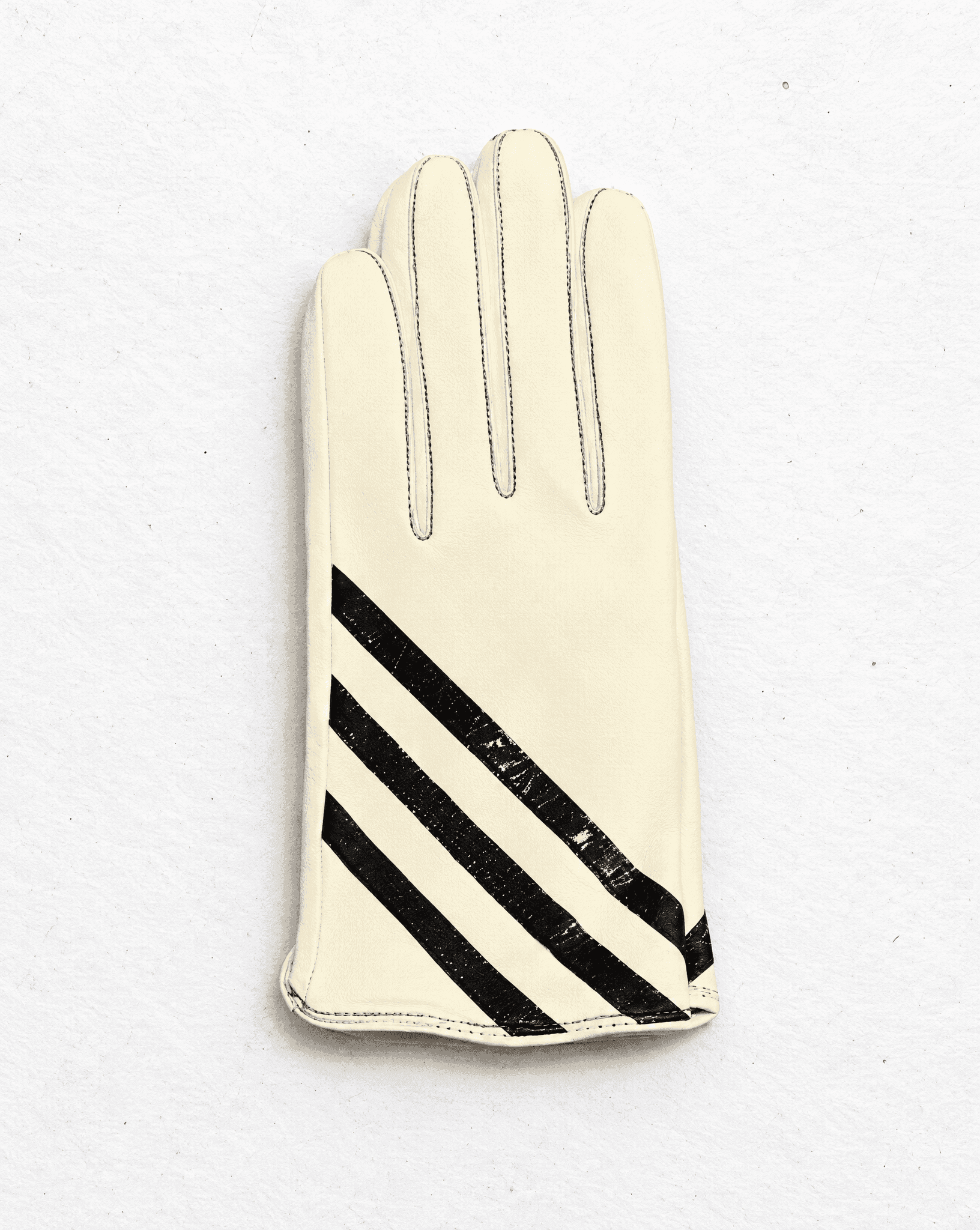
glovemaking has its own vocabulary, most of it centuries old and some of it wonderfully odd. you don’t need any of it to wear gloves well, but knowing a few words makes it much easier to judge a pair, read a product description, or understand why one glove fits better than another. here are the terms worth knowing, in plain english.
what is a trank?
the trank is the main piece of a glove: the palm, back and fingers1. the dreamstress describes it as the back and front of the glove and the tops and bottoms of the fingers all cut in one, with only one side seam2.
what are fourchettes on gloves?
fourchettes, from the french for “fork”, are the narrow strips between the fingers that hold the back and palm of the glove together, and most gloves have three3. each one forms the sides of two neighbouring fingers, and on a continuous-fourchette glove a single strip runs from the little finger across each fingertip to the next2. they’re also called forks or forges3.
what are quirks?
quirks are small triangular or diamond-shaped pieces set at the base of the fingers, where they meet the palm, to give the fingers more room to move3. a seventeenth-century description calls them “the little square peeces at the bottom of the fingers”2. with modern fabrics and supple leather the quirk is not much used3.
what are points on a glove?
points are the lines of stitching on the back of the hand. they were traditionally a way to give the hand more movement in a heavy leather glove3, and the dreamstress traces them to extensions of the finger pieces that helped shape the glove2; today they’re more a design detail than a necessity3.
what is a bolton thumb?
a bolton thumb is a more intricate thumb than the standard round one, incorporating a quirk for more movement and flexibility in leather or heavier fabric3; the thumb piece and its quirk are cut in one2. the yeovil gloving glossary lists the english or bolton thumb alongside set-in, french and inserted keyhole thumbs1.
what does button length mean?
button length is the traditional unit for measuring the arm of a glove. one button is about an inch, counted up the arm from where the thumb seam meets the wrist4. a wrist glove is one to three buttons, a bracelet glove five to eight, an elbow glove about twelve and an opera glove about sixteen4, and cornelia james notes that button lengths can climb as far as twenty-one inches, at the underarm3.
what is a mousquetaire glove?
a mousquetaire glove has a small opening of about three inches at the inner wrist, closed with small buttons or a bow, so you can slip your hand out and tuck it into the sleeve without taking the glove off3, which is how formal diners managed to eat while keeping long gloves on5.
what are long gloves called?
opera gloves or evening gloves, if they reach beyond the elbow, usually to the biceps6. gloves that stop at the elbow are elbow-length gloves. a gauntlet is something else again: a glove with a flared section at the wrist, which in the early 1600s was often heavily decorated with metal and silk thread7.
the a to z of glove words
| term | what it means |
|---|---|
| binding | a strip of leather folded over the edge of the cuff to finish it, like the tan leather binding on our 006 brown python gloves |
| bolton thumb | a thumb cut with its quirk in one piece, for flexibility3 |
| bracelet length | a glove reaching partway up the forearm, five to eight buttons4 |
| button length | the unit for glove length, about an inch per button from the thumb seam4 |
| calf hair | cowhide with its short hair left on, also called pony hair8 |
| elbow length | a glove reaching about the elbow, roughly twelve buttons4 |
| fourchette | a strip between the fingers joining back to palm; most gloves have three3 |
| gathered wrist | a wrist drawn in softly, like on our 003 and 007 |
| gauntlet | a flared section at the wrist7 |
| inseam | a glove sewn inside out and turned, so the seams are hidden3 |
| mousquetaire | an opening at the inner wrist so the hand can slip out3 |
| nappa | a generic term for soft leather from calves, lambs and kid goats, named after napa, california9 |
| opera length | a glove beyond the elbow, about sixteen buttons4 |
| outseam and piqué | seams sewn on the outside, or with one edge lapped over the other1 |
| points | lines of stitching on the back of the hand, now mostly decorative3 |
| quirk | a small gusset at the base of a finger for movement3 |
| suede | leather with the underside brushed to a nap, from the french gants de suède10 |
| table cutting | a traditional hand-cutting method for a precise fit to a given hand size1 |
| touchscreen tip | conductive material in a fingertip so a phone screen registers it11 |
| trank | the main piece of the glove: palm, back and fingers1 |
| vent | a v-shaped opening at the inner wrist that makes gloves easier to put on3 |
| welt | a folded strip sewn around the wrist edge in place of a hem3 |
| wrist length | a glove ending at the wrist, one to three buttons4 |
why do these words matter?
because they tell you how a glove was thought about. a description that mentions fourchettes, quirks or a bolton thumb is telling you the maker cared about movement; a button length tells you exactly where a long glove will end; and knowing that nappa is a finish and suede a surface makes comparing pairs much easier. for how to use all this when buying, read our guide to women’s leather gloves.
quick answers
- what are the parts of a glove called?
- the trank (palm, back and fingers)1, fourchettes (strips between the fingers)3, quirks (small gussets at the finger base)3, the thumb, and the cuff or wrist.
- what are fourchettes on gloves?
- narrow strips between the fingers that join the back of the glove to the palm; most gloves have three3.
- what does 16 button length mean?
- an opera-length glove, about sixteen inches measured from where the thumb seam meets the wrist4.
- what is a mousquetaire glove?
- a long glove with an opening at the inner wrist so the hand can slip out without removing the glove3.
- what are the lines on the back of gloves called?
- points; they once helped leather flex and are now mostly decorative3.
the gloves in this piece
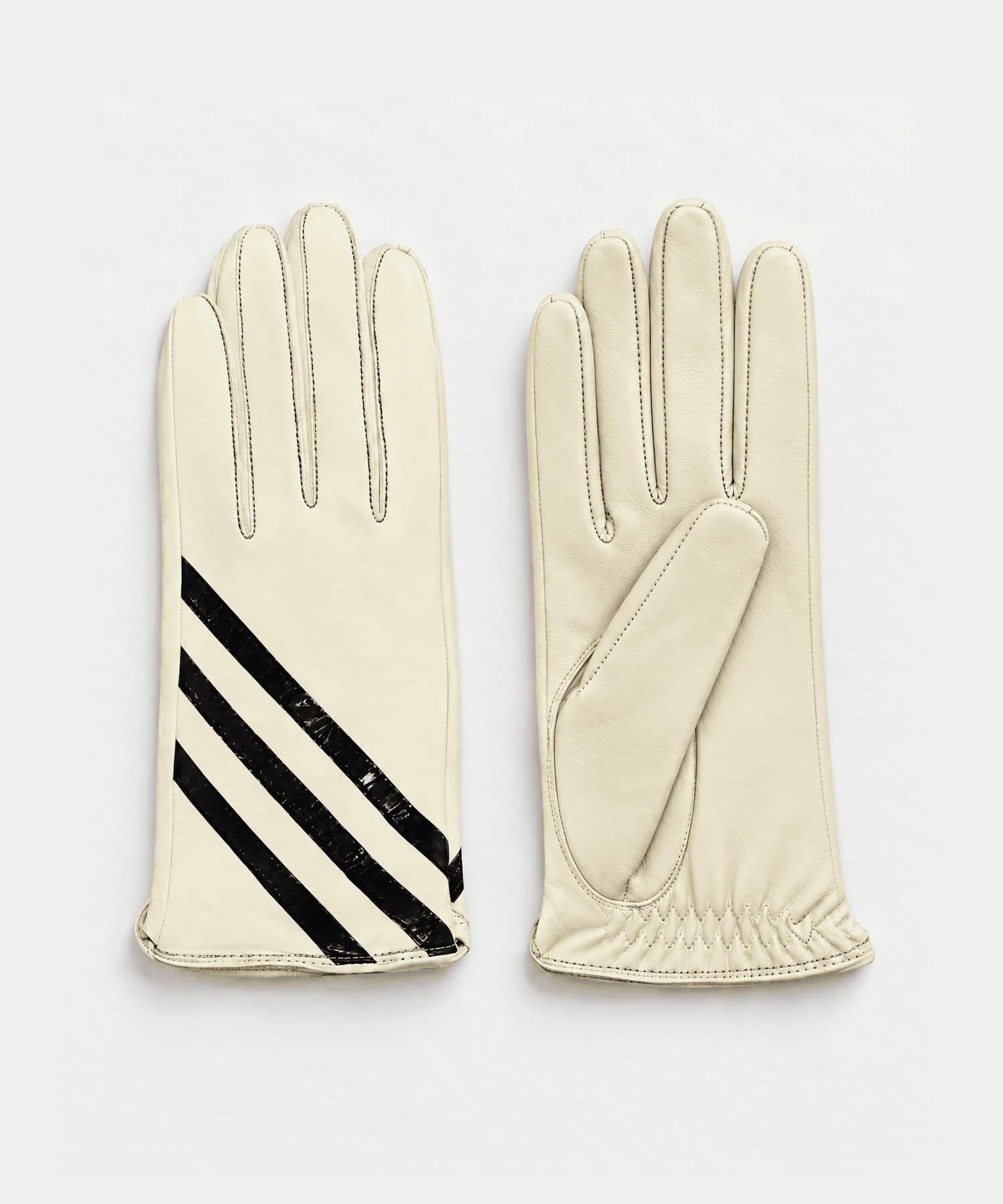
007 striped gloves£120
cream nappa leather with black stripes
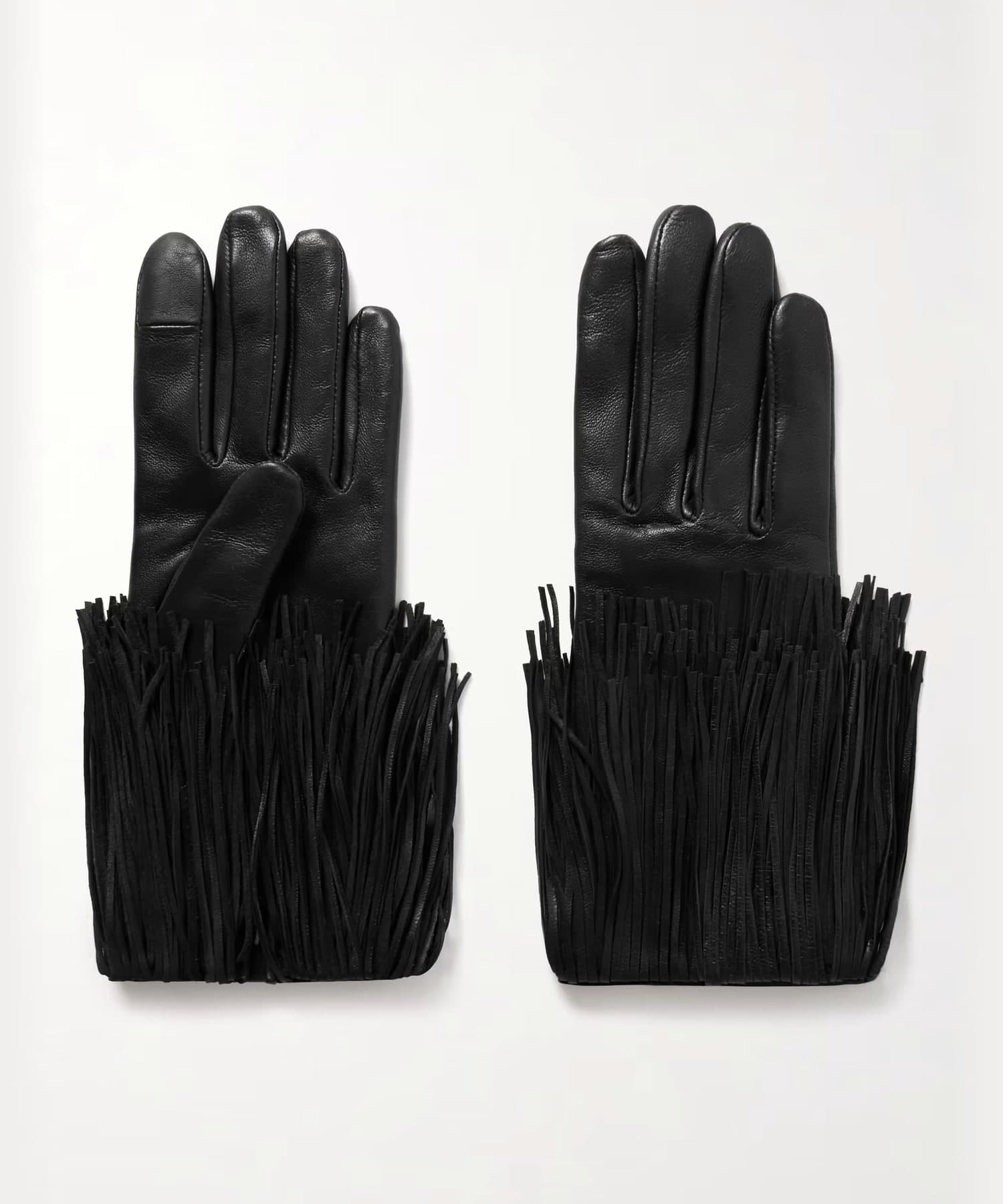
001 fringe gloves£120
sheepskin nappa leather with fringe details
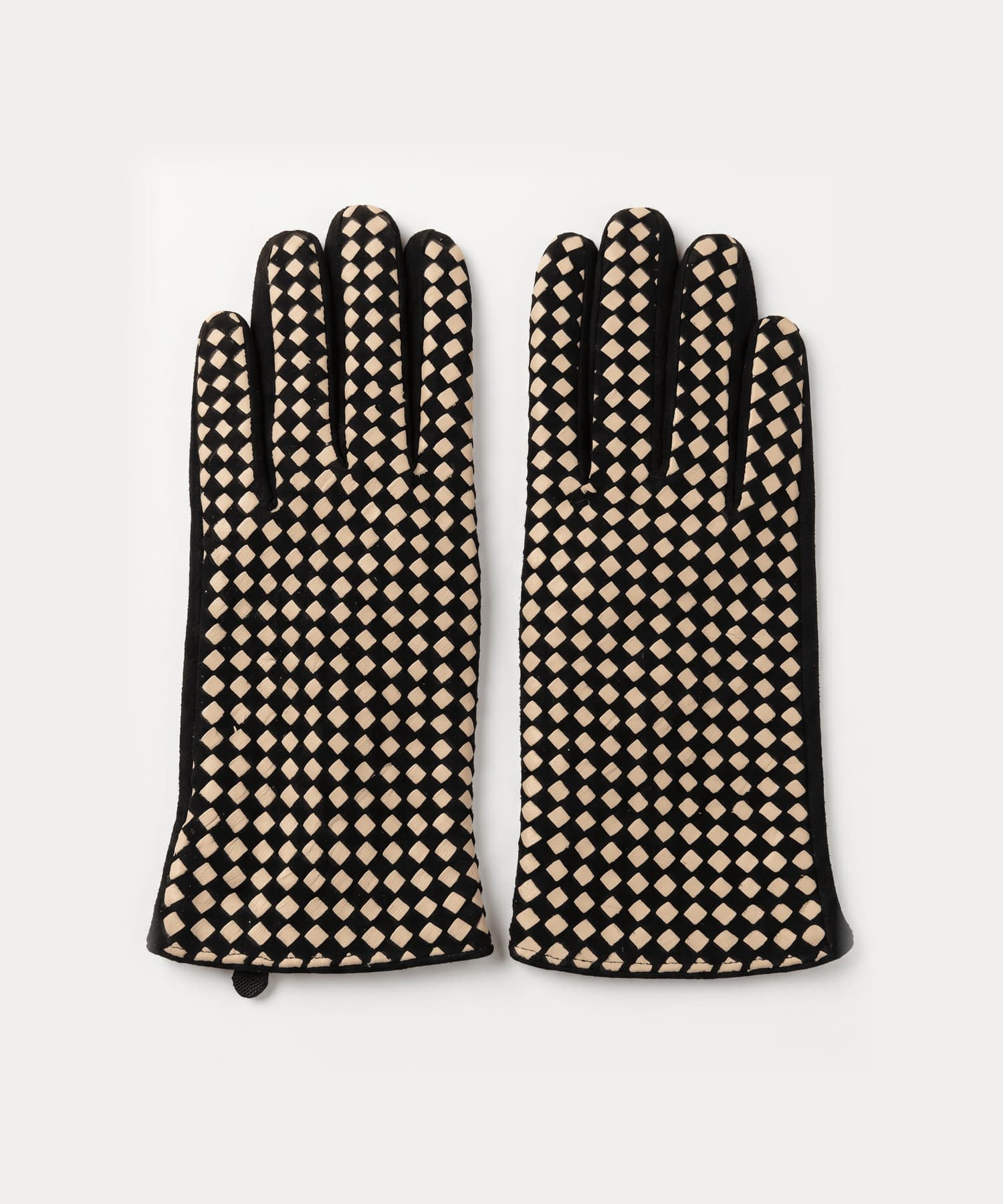
003 checkerboard gloves£120
black suede with a cream checkerboard
every style is one size and ships tracked from the uk, free to uk addresses, with returns accepted within 14 days of delivery. delivery & returns
keep reading
sources
- Yeovil's Virtual Museum, Gloving Glossary
- The Dreamstress, Terminology: Fourchette, quirks and other glove terms, 9 may 2015
- Cornelia James, Glove Glossary
- Cornelia James, Glove lengths
- Chronically Vintage, My top tips for glove etiquette and wearing vintage gloves, 21 january 2015
- Wikipedia, Evening glove
- Leeds Museums and Galleries, Gloves: Fashion and Meaning, 6 may 2020
- Roccamore, Shoe Care: Pony Hair Leather
- Wikipedia, Napa leather
- MasterClass, What Is Suede Fabric? Learn About the Difference Between Suede, Leather, and Nubuck
- Gear Patrol, The Science Behind Touchscreen Gloves Might Surprise You, 6 october 2024