the evening begins well before the overture
what to wear to the opera in winter, from the wet pavement to the red velvet seat and the interval in between.
the short answer
there is usually no dress code: the royal ballet and opera says to wear what you feel comfortable in2, and the met is similar3. in winter, choose something you can sit in for three hours, in fabrics that don’t rustle, under a long wool coat, with leather gloves for the journey. dress up for galas and opening nights.
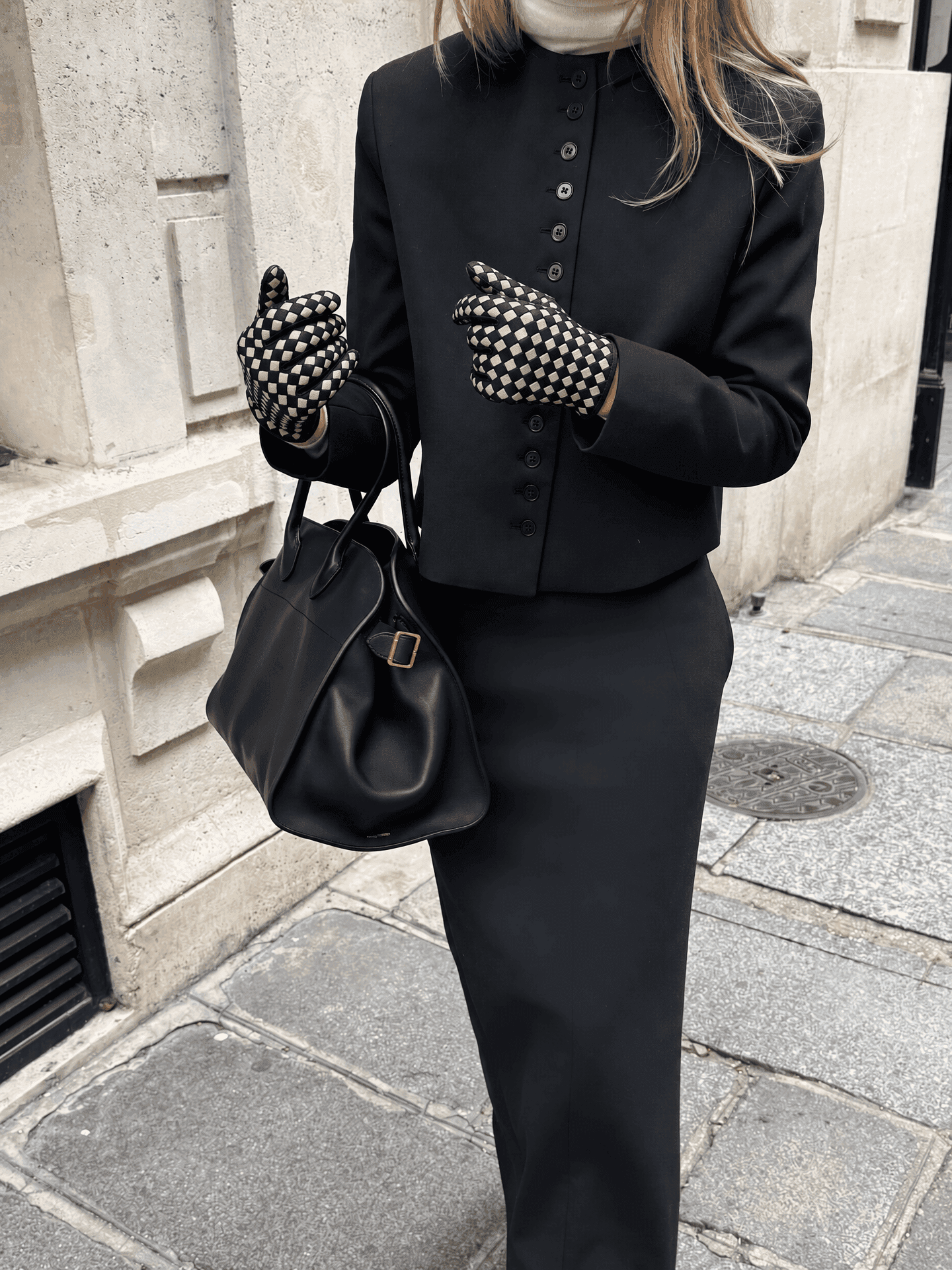
the evening begins long before the overture. it begins on a wet pavement in covent garden at a quarter to seven, umbrella in one hand, ticket on a phone in the other, the cobbles shining under the market lights and a crowd of strangers all walking with the same slight urgency towards bow street. by the time you reach your seat you have been outside, in a queue, up a staircase and through a warm foyer, and your clothes have had to cope with all of it.
that is the real answer to what to wear to the opera in winter. wear something you can sit in comfortably for three hours, in fabrics that do not rustle, under a coat that can lie across your knees without creasing, with leather gloves for the journey there and back. the rest is a question of how dressed up you would like to feel, and in winter that is usually more than you expect.
the dress code, such as it is
there is less of one than people fear. the royal ballet and opera, as the royal opera house company has been called since its renaming in 20241, says plainly on its first-visit page2: “there is no dress code for the royal opera house, simply wear what you feel comfortable in.” it adds that people often choose to dress up for galas and opening nights, and that any performance with a dress code will say so when you book and on the ticket. in new york the metropolitan opera’s answer3 is similar: no dress code, “comfortable clothing appropriate for a professional setting”, with audiences dressing more formally for galas and new productions.
so on an ordinary night you will see jeans in the stalls and a velvet gown in a box, and both will be fine. the pleasure of dressing for the opera is that nobody requires it.
dressing for the journey
winter changes the problem from formality to logistics. you need a coat that is warm on a cold platform and polite in an auditorium, which rules out anything with a bulky hood, a crackling shell or a hem that drags. a long wool coat in navy, charcoal or camel does both jobs. wear it buttoned on the way in; drape it over your shoulders from the cloakroom queue onwards, if you keep it with you.
leather gloves are the other half of the journey. plain black leather slips under any coat sleeve and comes off in a second at the door. a pair of black fringed gloves, such as wutong’s signature style, makes the walk from the tube feel like part of the evening, and they suit a jeans-and-roll-neck weeknight as easily as a velvet dress.
what to wear to the opera in winter, by kind of night
a weekday performance. dark wide-leg trousers in wool crêpe, a fine black roll-neck, a flat leather loafer or a low boot with a slim heel. one detail at the edges: a gold earring, a tasselled bag, fringed gloves. dark tailoring sits beautifully in red velvet seats.
a christmas matinee. the royal ballet’s nutcracker is, as londonist put it4, the arrival that signals christmas has truly begun, and a matinee is the gentlest way to see it with children. wear something warm and soft: a long knitted dress in oatmeal or bottle green, opaque tights, block-heeled boots, a camel coat and gloves in a strong colour for a festive note.
an opening night or premiere. a bias-cut satin skirt with a fine-gauge cashmere jumper, or a long-sleeved column dress in black crêpe. carry a small, soft bag. if your arms are bare under the coat, elbow-length gloves are lovely here; if the dress has sleeves, wear short leather gloves to arrive and take them off once seated.
a gala with a dress code. if the ticket says black tie, a floor-length dress or a dinner suit. this is the one evening when opera gloves with a strapless or sleeveless dress make complete sense, and they are traditionally kept on through the performance and removed to eat.
the auditorium test
three hours in a seat reveals every flaw in an outfit. this table is the checklist worth running before you leave home.
| consider | why it matters | what works |
|---|---|---|
| rustle | silence carries in a hushed house | wool, jersey, velvet and soft satin over stiff taffeta |
| bangles | they knock against wooden armrests | studs, a single cuff, a brooch |
| height | someone sits behind you | low hair; no hats |
| scent | seats are close together | a very light touch, or none |
| shoes | stairs, and long interval queues | low heels, loafers, slim boots |
| bag | space under seats is tight | small, soft, nothing that rattles |
arrive with time to spare. the royal ballet and opera warns that latecomers may be asked to wait in the foyers until a suitable break, which can take up to 90 minutes, and the bars fill quickly at the interval, which is why the house lets you pre-order drinks. an outfit that copes with standing for twenty minutes in a crowded bar is worth more than one that looks perfect sitting still.
gloves inside the house
short gloves come off once you are seated; tuck them into a coat pocket rather than onto a velvet seat, where leather slides to the floor in the dark. take them off to clap, too. gloved applause is muffled and sounds faintly reluctant. at the interval bar, gloves come off before you hold a glass or touch food, and go straight into your bag rather than on the counter.
long evening gloves are the exception. with a sleeveless dress, they stay on through the music and the applause, and come off only to eat. they are part of the dress rather than outerwear.
colour for a dark room
an auditorium is a dark room with one lit rectangle in it. deep colours suit that light: black, ink-blue, bottle green, oxblood, chocolate. velvet and satin collect the glow from the stage and the foyer chandeliers and give it back softly. if you want brightness, put it on your hands or in one accessory, where it will be seen as you move through the foyer without distracting anyone in the row behind.
the walk to the theatre is part of the evening, and gloves are the piece you wear all the way there. wutong’s fringe gloves and its plum, brown and cream pairs are made for that walk, and they make a good present to unwrap before a winter performance.
quick answers
- can i wear jeans to the opera in winter?
- at most ordinary performances, yes. dark, straight jeans with a fine knit, a good wool coat and leather gloves look entirely appropriate, and the royal ballet and opera explicitly asks only that you wear what you are comfortable in.
- what should men wear to the opera in winter?
- a dark suit, or wool trousers with a fine roll-neck and a tailored coat, suits almost every performance. wear a dinner suit when the ticket says black tie. short black leather gloves are the classic finish.
- should i use the cloakroom?
- if you dislike queues, keep your coat and choose one that folds neatly onto your lap. fluid wool behaves better than stiff, structured fabrics.
the gloves in this piece
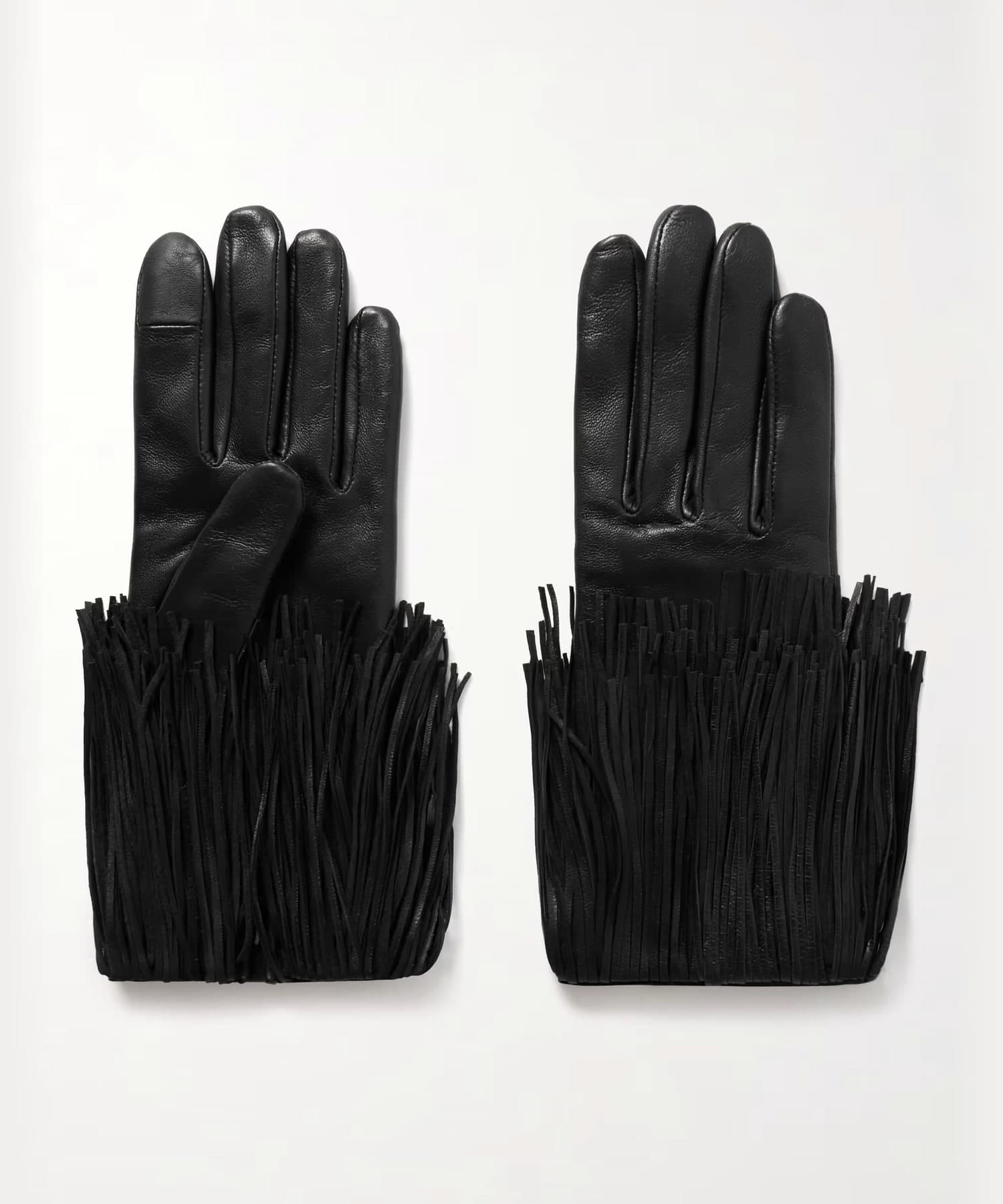
001 fringe gloves£120
sheepskin nappa leather with fringe details
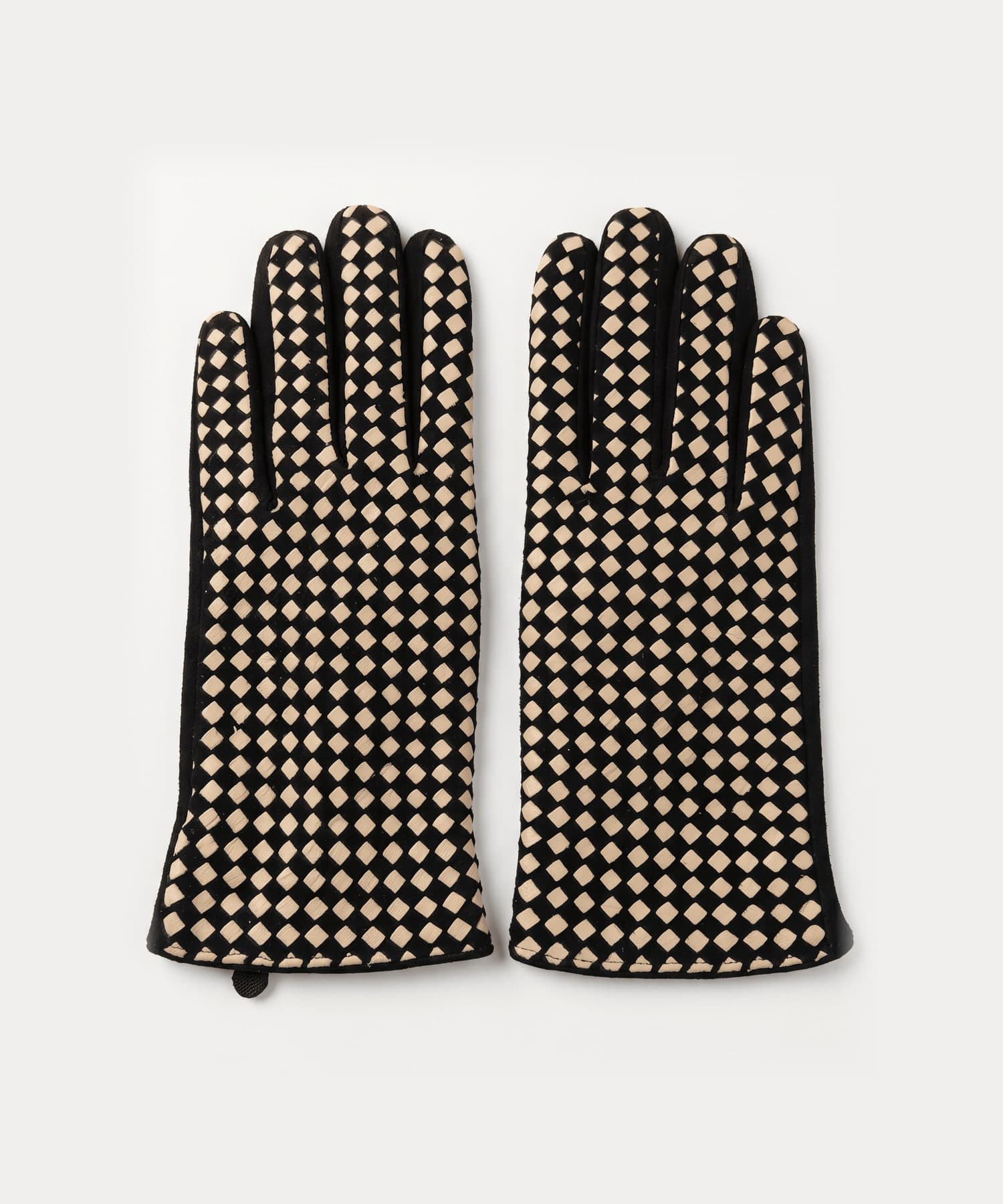
003 checkerboard gloves£120
black suede with a cream checkerboard
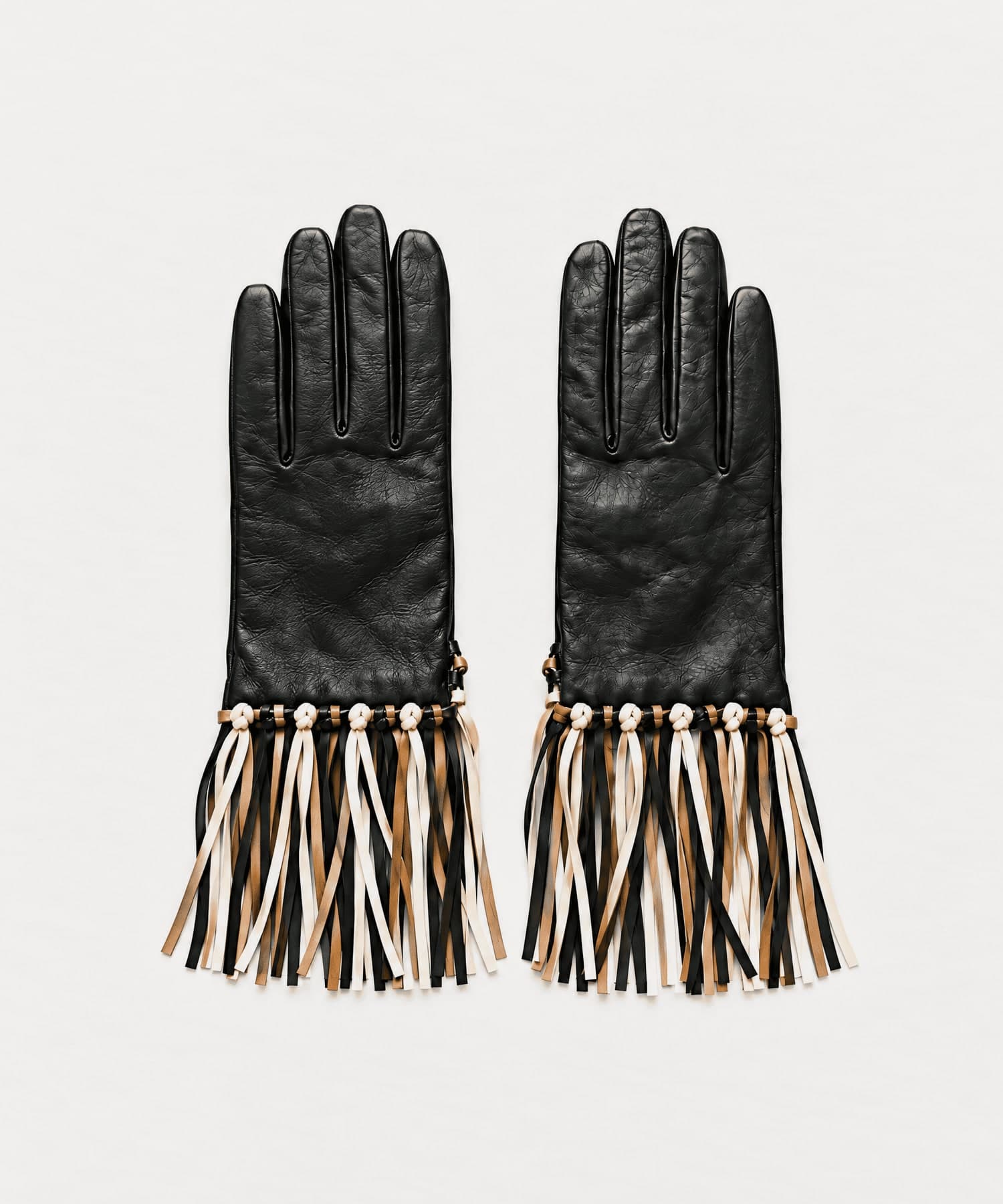
008 knotted fringe gloves£120
black nappa leather with a three-colour fringe
every style is size 7 and ships tracked from the uk, free to uk addresses, with returns accepted within 14 days of delivery. delivery & returns
keep reading
sources
- Classic FM, London’s Royal Opera House announces a new name and redesigned logo, 30 april 2024
- Royal Ballet and Opera, Your First Visit to the Ballet or Opera
- Metropolitan Opera, Dress code
- Londonist, The Nutcracker at the Royal Ballet and Opera: review