fibres first, shapes second
how to dress warm and still look chic by choosing fibres before shapes, layering thinly under tailoring and keeping your hands warm.
the short answer
to dress warm and still look chic, choose fibres before shapes: a fine merino or silk base layer, a fine cashmere or merino knit, and a dense wool coat that closes properly. wool can absorb up to 35% of its weight before it feels wet2. then seal the edges with leather gloves, a scarf and tall boots.
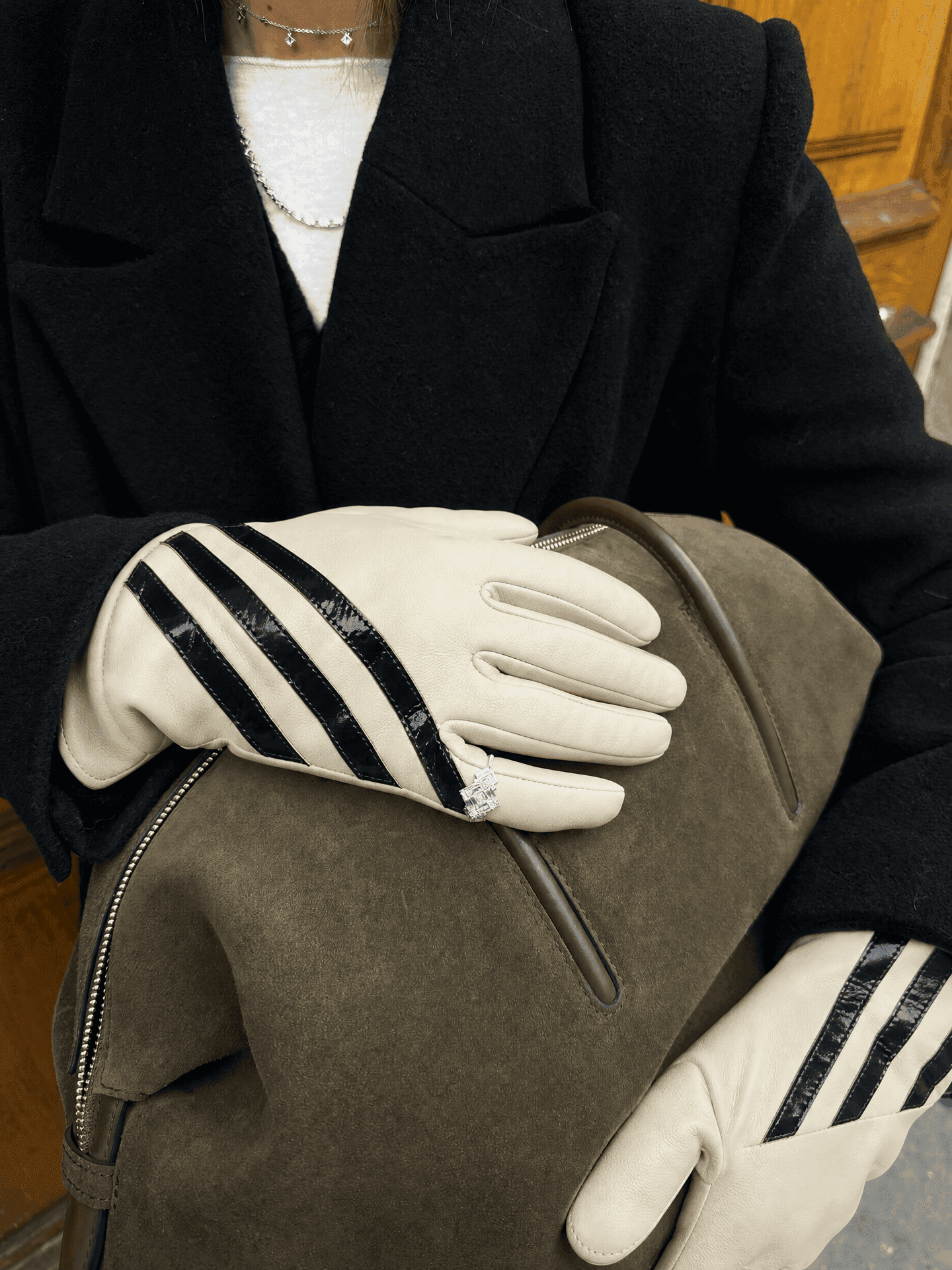
the most elegant woman on a cold platform is rarely the one wearing the most. she is in a long wool coat, a fine knit, a pair of leather gloves, and she is standing perfectly still while everyone around her shifts from foot to foot. the secret is not stoicism. it is that every layer she has on is doing a job.
learning how to dress warm and still look chic is mostly a matter of choosing fibres before shapes. warmth comes from still air held close to the body and from fabrics that stay dry while they hold it. bulk is only one way to get there, and it is the least flattering. thin layers of the right material, a coat that closes properly, and attention to the places heat actually escapes will keep you warm under the narrowest tailoring.
warmth is trapped air
every warm fabric works by the same principle. down is the clearest illustration: its loose structure traps air1, and air held still is a poor conductor of heat. wool, cashmere, mohair and alpaca hold air between their fibres in much the same way, at a finer scale. a dense, brushed coat wool is warm for the same reason a duvet is.
the corollary matters as much. the same wikipedia entry notes that when down is wet, “the thermal properties of down are virtually eliminated”. damp is the enemy of warmth, whether it comes from rain on the outside or from your own body on a crowded tube. this is where natural animal fibres earn their reputation. the woolmark company says wool can absorb up to 35% of its weight2 in moisture before it feels wet, and gives off a little heat as it does. cotton absorbs water too, but the university of georgia’s fibre guide3 describes it simply as “cool”, which is what you want in july and not in january.
the fine layer underneath
outdoor clothing makers talk about three layers4: a base that keeps the skin dry, a mid layer that insulates, and a shell that stops wind and water. it is a mountaineer’s system, but it translates neatly into city dressing once you shrink each layer down.
the base is where chic women cheat. a fine merino or silk long-sleeved top, close to the body and cut with a low scoop neck, disappears under a shirt or a knit and adds warmth out of all proportion to its thickness. silk is the thinnest option and the most luxurious against the skin; merino is better if you will be walking fast and warming up. cotton vests and t-shirts are the layer to retire for winter.
the mid layer is the one people see indoors, so it should be beautiful. a cashmere roll-neck is the obvious choice, and for good reason: fibre labelled cashmere in the us must average no more than 19 microns5 in diameter, which is why it feels so soft and drapes so close. a gauge fine enough to sit under a jacket sleeve without wrinkling it will be warmer than a chunky knit that leaves a gap at the wrist and neck.
the shell is the coat. choose it for closure as much as fibre. a double-breasted wool coat that wraps across the chest, with a collar you can turn up, holds heat in a way an open, unbuttoned edge-to-edge coat never will. if it rains often where you live, a coat with a dense, slightly felted finish sheds light showers far better than a loosely woven one.
the fibre table
| fibre | what it does well | where to wear it |
|---|---|---|
| merino wool | warm, breathes, stays comfortable when you warm up | base layers, fine knits, suiting |
| cashmere | light, soft, close-fitting warmth | roll-necks, scarves, glove linings |
| silk | very thin, smooth under other layers | base layers, glove linings |
| mohair, alpaca | lofty, holds a lot of air for its weight | cardigans, brushed coats |
| down | exceptional warmth when dry | liners and gilets under a wool coat |
| cotton | breathable, cool | best saved for spring |
heat leaves at the edges
when the body gets cold, it narrows the blood vessels in the skin to send warm blood to the core6. hands and feet are the first to feel it, which is why the most effective cold-weather upgrade usually costs less than a new coat.
gloves are the first line. a close-fitting leather glove blocks wind completely, and a lining adds the insulation: dents describes cashmere linings7 as “supremely soft, warm and lightweight” and silk as “naturally temperature regulating”. mittens are technically warmer because less surface is exposed8, but a well-fitted glove keeps your fingers free to unlock a phone or hold a cup, and it keeps the line of the hand. a glove that ends below a cuff, with a strip of cold wrist between, loses most of its point; choose one long enough to tuck under the sleeve.
colour helps here in a way that has nothing to do with temperature. a coloured or patterned glove under a dark coat is the single most visible thing about you on a grey day, so it lets the rest of the outfit stay plain and practical without looking dull. wutong’s plum python-print suede and cream striped nappa gloves were designed with that in mind.
the neck comes next. a roll-neck or a long scarf wrapped twice and tucked into the coat seals the largest gap in any outfit. then the feet: a fine wool sock inside a leather boot, and a boot tall enough to meet the hem of a skirt or the break of a trouser, so the ankle is never left bare.
proportions that hide the layers
layering only looks bulky when it is uneven. keep the thinnest layers closest to the body and the volume on the outside, so the coat skims rather than strains. choose one generous piece per outfit, either the coat or the knit, never both. a long, straight coat over slim layers looks tall and composed; an oversized coat over a chunky jumper reads as a duvet with buttons.
tonal dressing helps too. cream silk under a camel cashmere under a camel coat reads as a single soft column, and the layers vanish. add contrast only at the hand or the throat, where it draws the eye up and away from any bulk.
warm hands change how you carry yourself on a cold day, and a good pair of gloves is where that starts. wutong makes handmade leather gloves in nappa, suede and calf hair, and its signature black fringed pair; the smooth leather ones are among the nappa gloves.
quick answers
- what is the warmest fabric that still looks smart?
- for everyday city wear, a dense, brushed wool or wool-cashmere coat over a fine merino or cashmere knit. wool stays warm even when the air is damp, and it tailors cleanly, which down rarely does.
- are leather gloves warm enough for winter?
- leather blocks wind well, and a lined pair is warm enough for most city winters in the uk and much of the us. for the coldest days, look for a cashmere lining and a cuff long enough to sit under your coat sleeve.
- how do i stop layers looking bulky?
- put the thinnest layers next to the skin, keep only one voluminous piece in the outfit, and dress tonally so the layers read as one. a fitted silk or merino base does more than an extra jumper.
the gloves in this piece
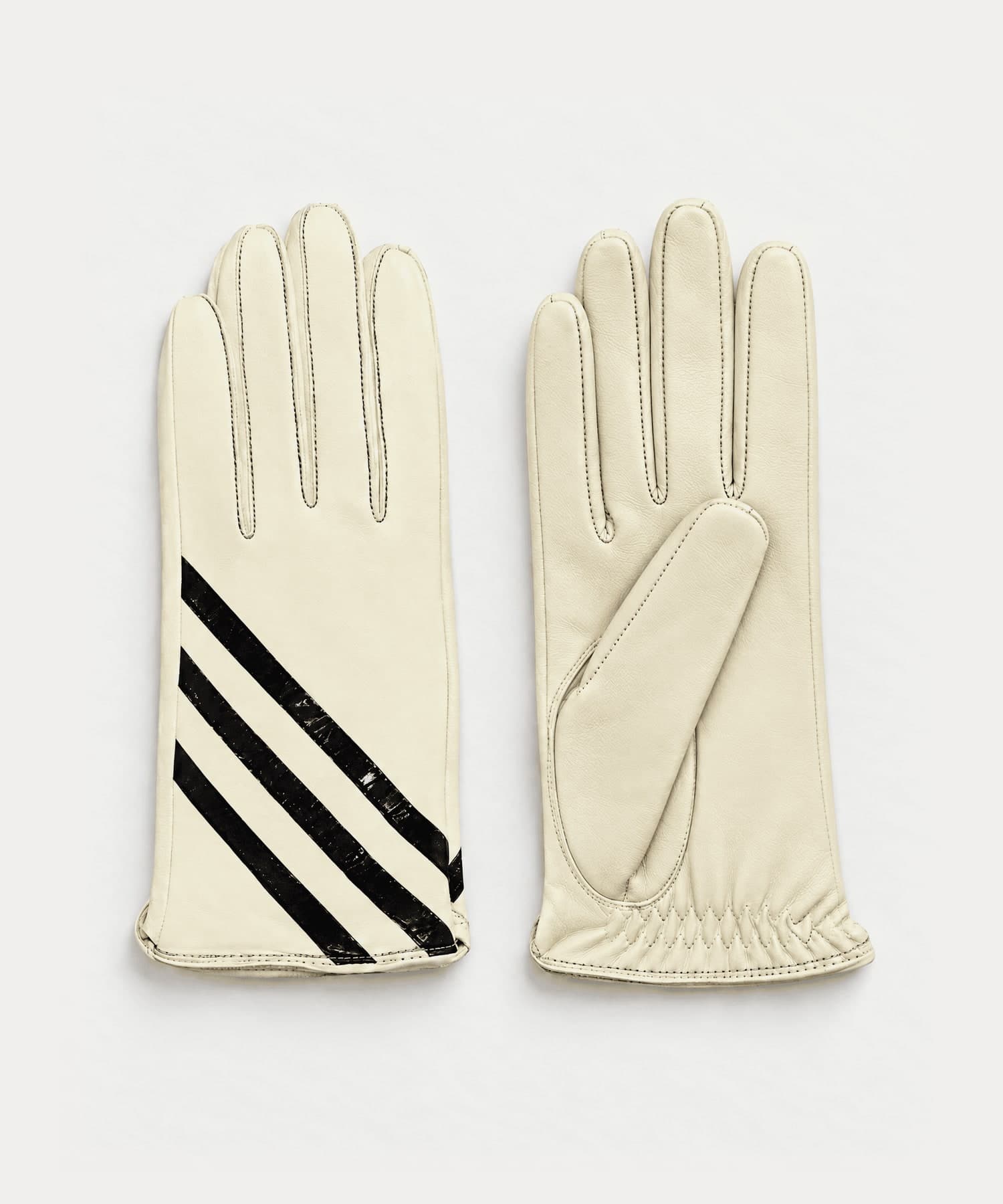
007 striped gloves£120
cream nappa leather with black stripes
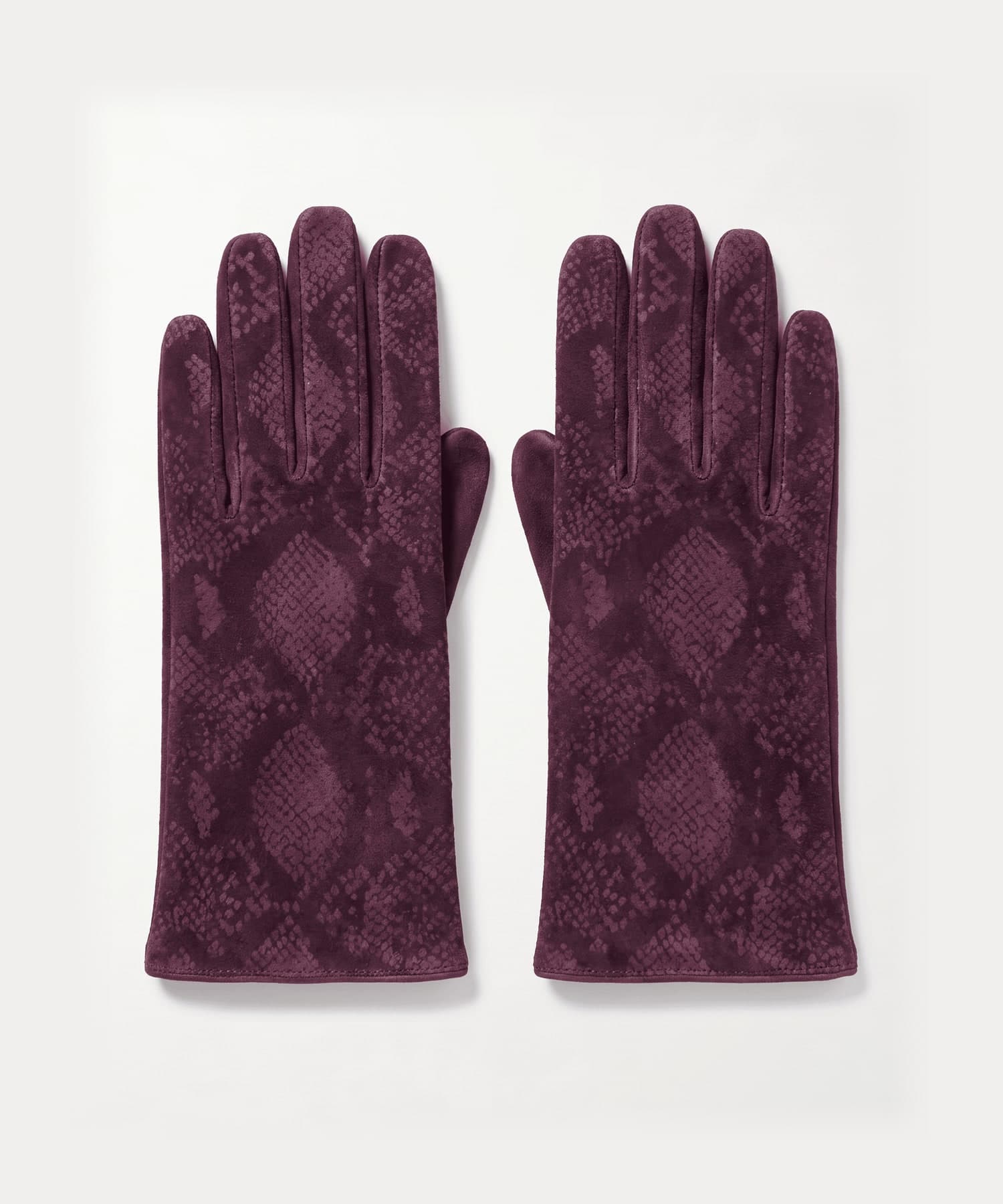
005 plum python-print suede gloves£120
plum suede with python print
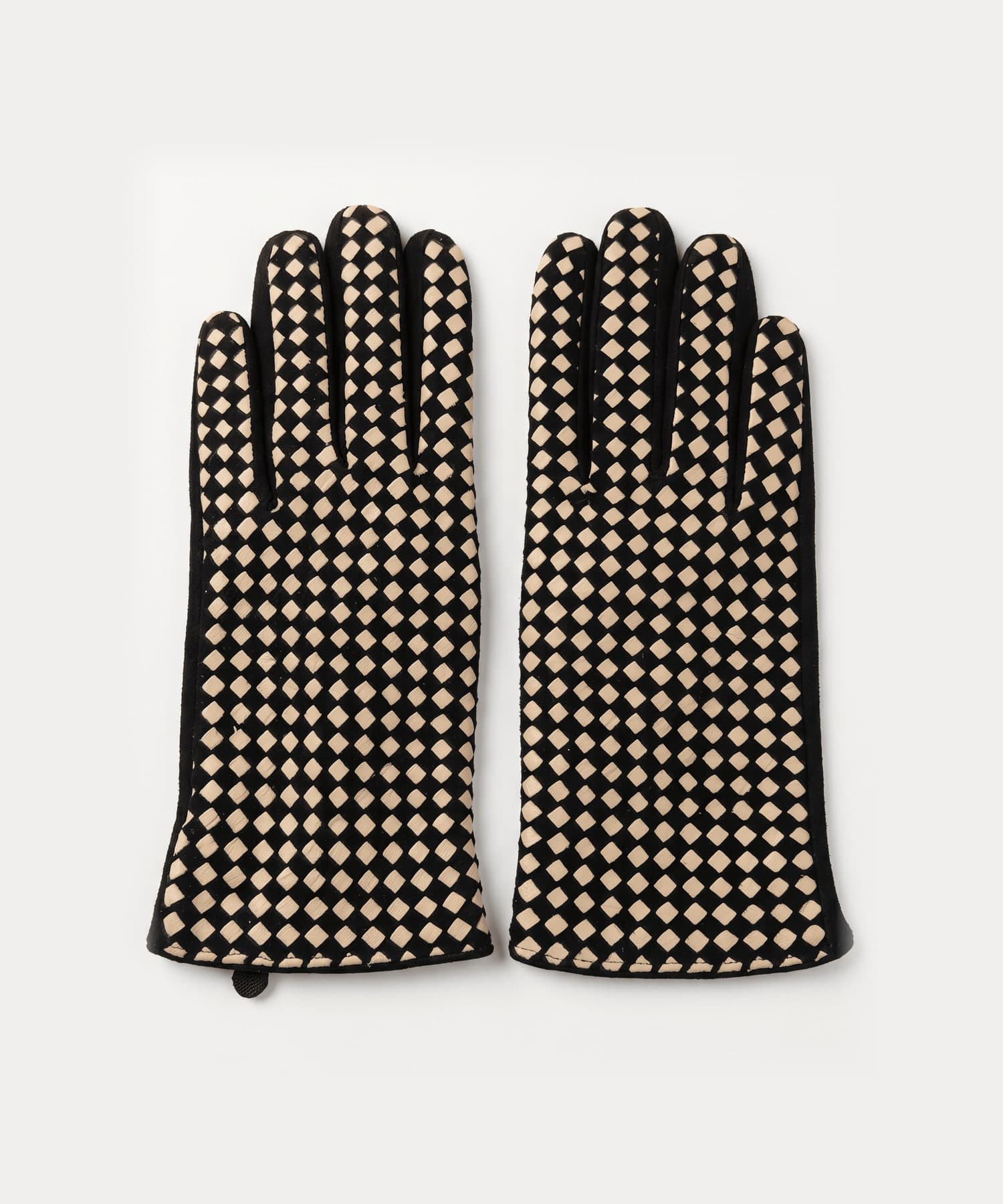
003 checkerboard gloves£120
black suede with a cream checkerboard
every style is size 7 and ships tracked from the uk, free to uk addresses, with returns accepted within 14 days of delivery. delivery & returns
keep reading
sources
- Wikipedia, Down feather, 20 october 2004
- woolmark.com, Woolmark | Wool is Naturally Breathable, 13 august 2018
- University of Georgia Extension, Understand Your Fibers | Textiles
- Wikipedia, Layered clothing, 28 december 2006
- Wikipedia, Cashmere wool, 1 march 2004
- Wikipedia, Vasoconstriction, 16 november 2003
- Dents, The Dents Guide to Buying Gloves | Dents
- Wikipedia, Mitten, 27 october 2004