three fine layers, four temperatures
transitional outfits for october to november, built in thin layers that each look finished alone, and the moment leather gloves should appear.
the short answer
transitional outfits for october to november work in thin layers that each look finished alone: a shirt, a fine merino knit and a short leather jacket or tailored blazer, with a long coat added once the uk clocks go back on 25 october1. gloves come last: light leather ones, from the first morning your hands feel the cold.
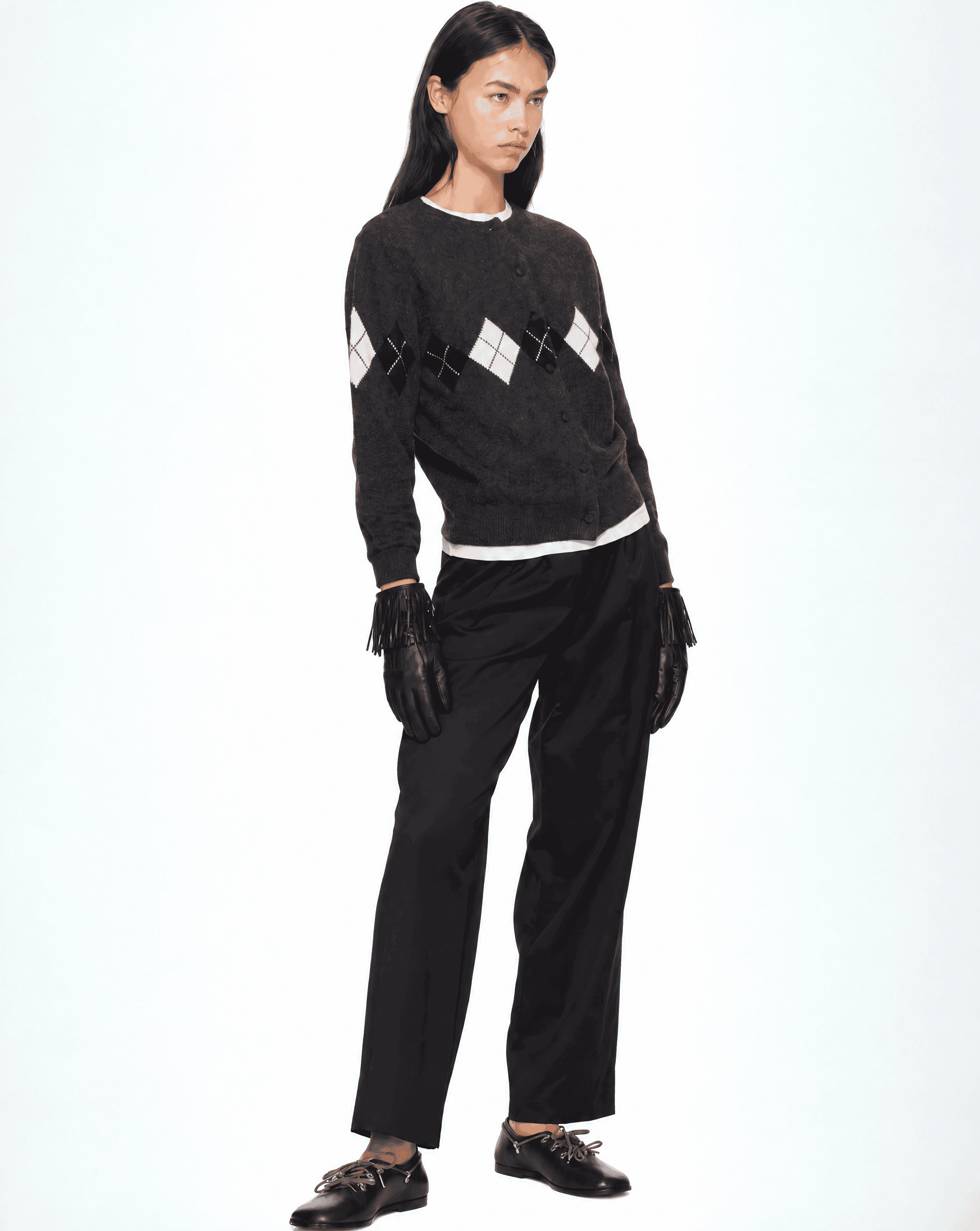
the six weeks between the middle of october and the end of november are the most interesting of the dressing year. mornings are cold enough for a coat, lunchtimes warm enough to carry it, and evenings arrive suddenly. in britain the clocks go back at 2am on sunday 25 october1, and from that week the walk home happens in the dark. the same outfit has to work at eight degrees and at fourteen, in sunlight and under streetlamps.
good transitional outfits for october to november are built in thin, removable layers that each look finished on their own, so you can take one off at noon and still look dressed. the other principle is timing. the coat comes first, then the scarf, and the gloves arrive last, at a moment worth recognising.
why thin layers beat one thick one
a single heavy jumper is either right or wrong. three fine layers give you four temperatures. a cotton shirt, a merino knit and a light jacket can be worn as all three, as shirt and knit, as shirt and jacket, or as the knit alone, and each version should hold up on its own.
the fibre matters. fine merino is the most useful transitional layer because it deals with the swings between a warm train and a cold platform. according to the woolmark company2, the wool industry’s own body, wool “can absorb up to 35% of its weight before feeling wet and clinging to the skin”, which is why a merino roll-neck feels less clammy than a synthetic one when you come in from the cold. treat the exact figures as the industry’s claim; the everyday experience is easy to confirm.
the shape matters too. each layer should be a little looser than the one beneath it, and a little shorter or a little longer, never the same length. hems that stack at different heights look intentional. hems that line up look like you forgot to take something off.
mid-october: the jacket weeks
in the first half of the season, the jacket does the work and the coat stays home on dry days. a short leather jacket in black or deep brown, cut at the waist, over a poplin shirt and straight wool trousers is the most reliable october outfit there is. the leather keeps off a breeze, the shirt looks crisp when the jacket comes off at lunch, and the whole thing works with loafers or slim boots.
tailoring is the other route. the zoe report3 found wrap blazers at dries van noten and a peplum-flared blazer at alainpaul in paris this season, and a jacket with a defined waist is the most flattering layer for these weeks because it has shape even worn open over a knit. try a chocolate wrap jacket over a fine cream roll-neck, with dark flannel trousers and brown suede boots, the “cognac and copper” suede that marie claire4 saw at chloé and dior.
for an evening in mid-october, a slip skirt in satin with a fine merino knit tucked in and a cardigan over the shoulders is enough. the cardigan becomes a scarf on the walk home.
late october: the coat arrives
when the clocks change, the coat starts coming every day. the trick is choosing one that can be worn open. a long single-breasted coat in camel or grey wool, falling below the knee, looks right unbuttoned over the jacket outfits above, so you can let it hang loose at lunchtime and close it at six.
this is also the moment for layering two pieces of outerwear, which feels counterintuitive but works when the lengths are different. a short leather jacket under a long wool coat gives you a windproof layer close to the body and a warm one over it, and either can be removed. in milan5, missoni’s alberto caliri piled coats over cardigans over blazers, with “scarves and shawls as the cherry on the cake”. the street version can be quieter, but the logic is the same: each piece visible at the edge of the one above.
scarves arrive now as well. a long wool scarf, worn once around the neck and left to hang inside the coat opening, adds a vertical line that keeps a layered outfit from looking bulky.
when gloves begin
this is the question most people answer too late. they wait for the first frost, by which time they have spent a fortnight with their hands in their pockets, shoulders hunched, the posture of someone who is cold and wishes they were somewhere else.
our rule is simpler. gloves begin on the first morning you notice yourself holding a coffee cup for warmth rather than to drink from it. for many people that morning comes early in november. trust your hands over the calendar, and expect a breezy day to bring it forward, since wind chill6 makes the same temperature feel colder.
the first pair of the season should be light and close-fitting: unlined or thinly lined leather that sits neatly under a jacket cuff and slips into a pocket when the afternoon warms up. a heavy lined glove is for december. in november, the glove is as much about finishing the outfit as about warmth, which makes it the right moment for colour. a pair of wutong’s plum python-print suede gloves against a camel or grey coat gives the darker evenings a point of colour, and the black fringe gloves add movement to an all-black outfit when the nights draw in.
mid-november: the full stack
by the second half of november, the layers settle into their winter order. a roll-neck in fine merino, a tailored jacket or cardigan, the long coat, a wool scarf, and gloves. it sounds like a lot, but each layer is thin, and every one can come off without the outfit falling apart.
shoes change too. loafers give way to slim boots, ideally in leather or suede that will survive damp pavements, and tights get thicker. keep the palette narrow, with brown, grey, cream and black, so that all those layers read as one idea, and let the gloves be the only colour.
wutong makes handmade leather gloves in nappa, suede and calf hair, ready for the first cold mornings of november. the smooth leather pairs are among the nappa gloves.
quick answers
- what should i wear when it is cold in the morning and warm in the afternoon?
- three thin layers rather than one thick one: a shirt, a fine knit and a jacket, with a coat on top for the coldest mornings. choose pieces that look finished on their own, so you can take any of them off at lunchtime.
- when should i start wearing gloves in autumn?
- when your hands start telling you, which for many people is early november, and earlier on windy days. start with a light, close-fitting leather pair and save heavily lined gloves for deep winter.
- can i wear a leather jacket under a wool coat?
- yes, if the jacket is short and close-fitting and the coat is long and roomy enough to close over it. the difference in length is what makes it look deliberate.
the gloves in this piece
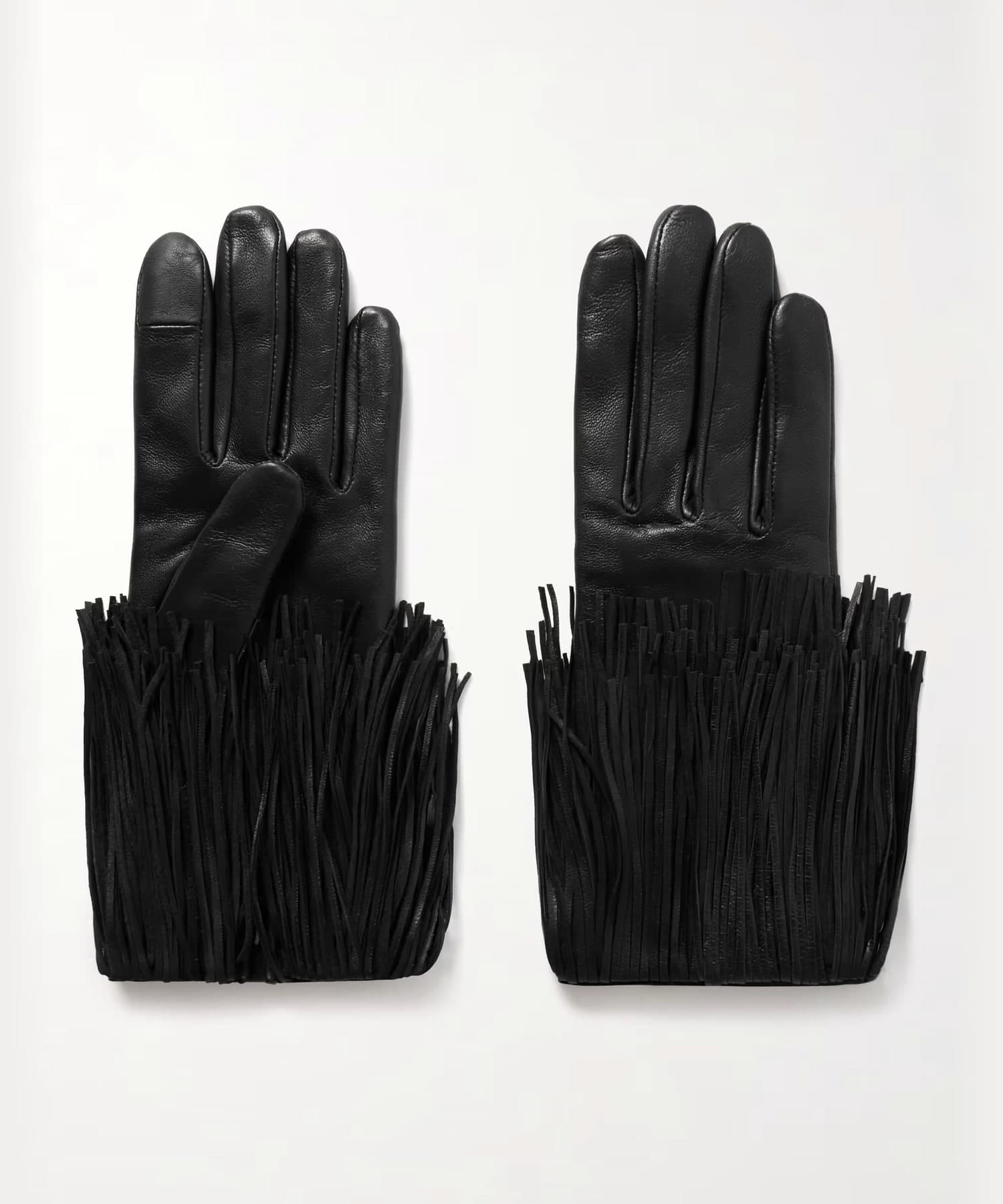
001 fringe gloves£120
sheepskin nappa leather with fringe details
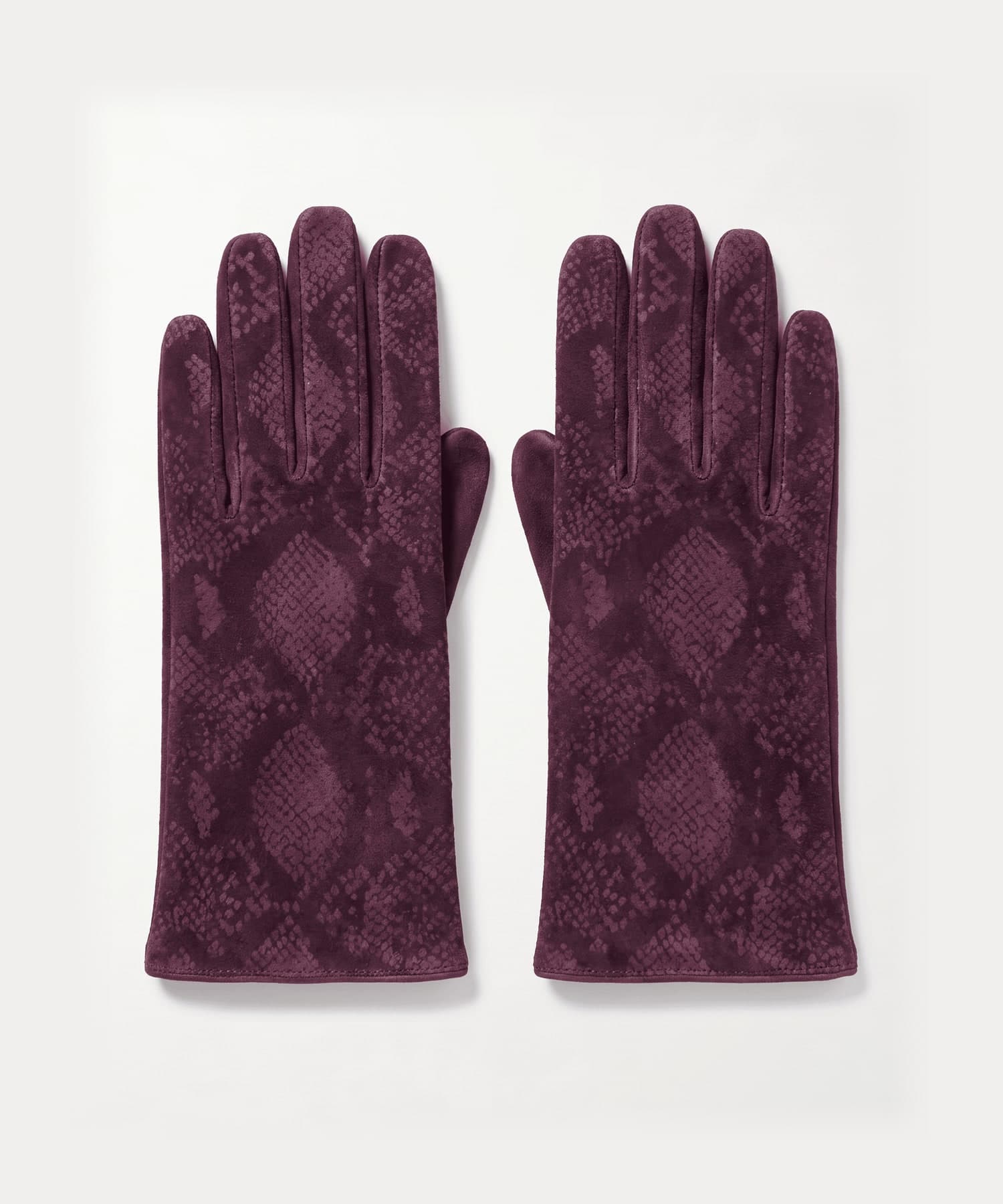
005 plum python-print suede gloves£120
plum suede with python print
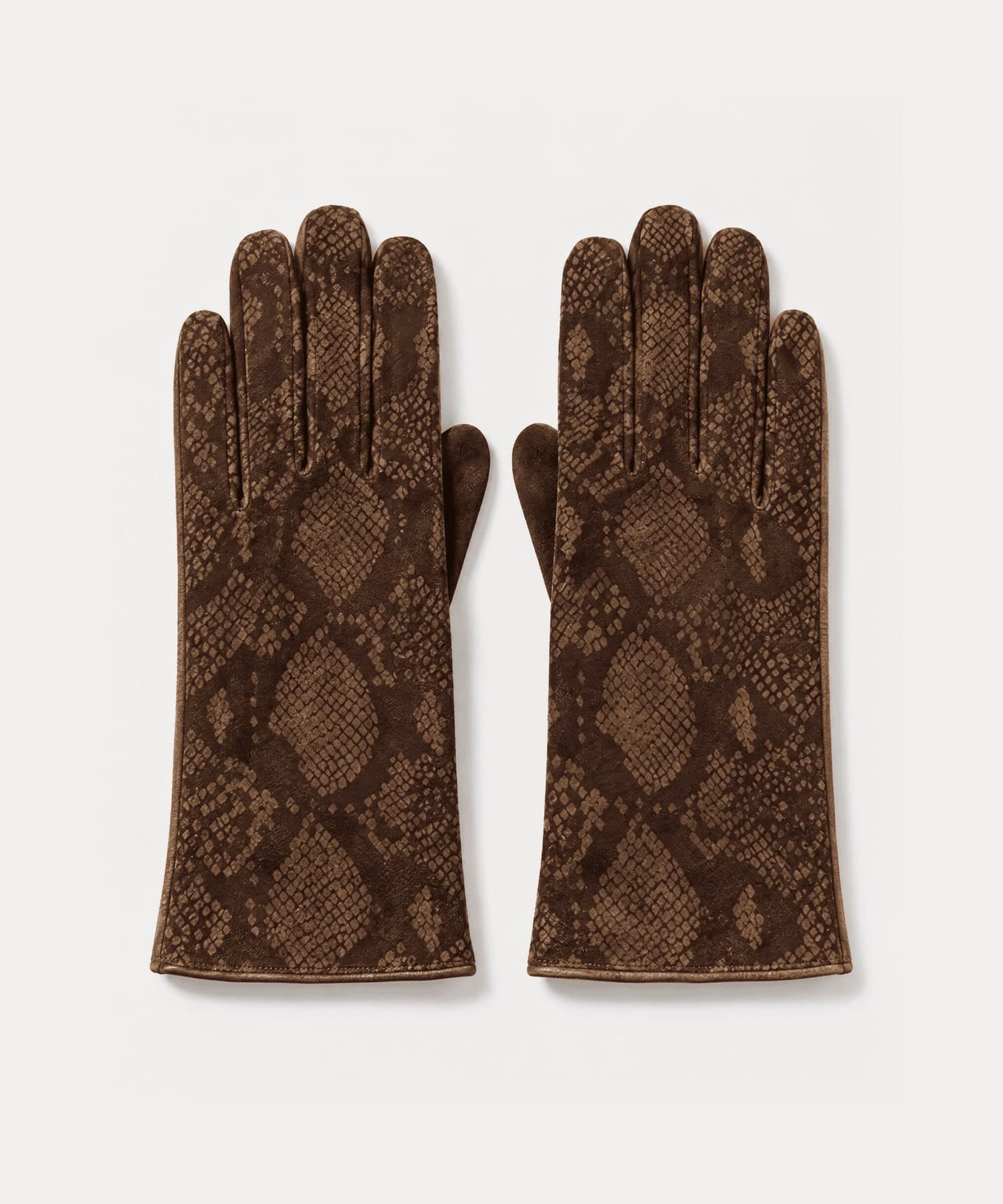
006 brown python-print suede gloves£120
brown suede with python print
every style is size 7 and ships tracked from the uk, free to uk addresses, with returns accepted within 14 days of delivery. delivery & returns
keep reading
sources
- GOV.UK, When do the clocks change?, 26 january 2016
- woolmark.com, Woolmark | Wool is Naturally Breathable, 13 august 2018
- The Zoe Report, Paris Fashion Week Just Made Getting Dressed A Lot More Fun, 11 march 2026
- Marie Claire, These Are the Boot Trends Poised to Dominate Fall 2026, 11 september 2026
- Net-a-Porter, FW26 fashion trends
- weather.gov, Understanding Wind Chill