wind is a problem of openings
what to wear when it’s cold and windy, from wind chill explained to the long coats, high collars and leather gloves that seal the gaps.
the short answer
when it’s cold and windy, dress to close the gaps: a dense, long wool coat or a leather jacket that closes high, a stand collar or a wool scarf tucked in at the neck, and close-fitting leather gloves with the cuff tucked under the sleeve. by the nws formula, 5°c with a 20 mph breeze feels like about zero1.
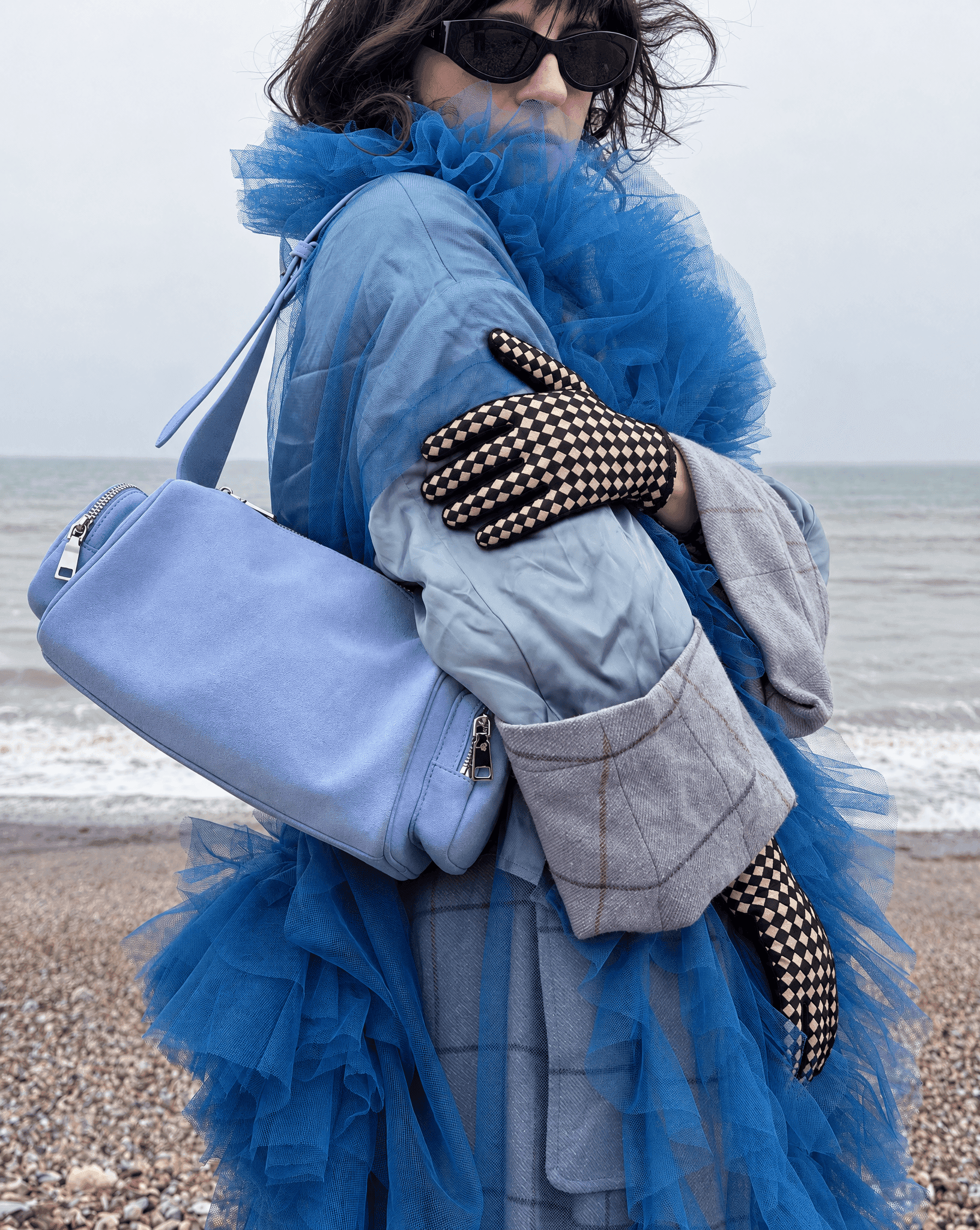
there is a particular kind of november afternoon that undoes a good outfit. the forecast says seven degrees, which sounds civilised. then you turn a corner by the river and the wind finds the gap at your collar, slides up your sleeve, and turns your fingers white around the strap of your bag. the number on your phone was correct. it just was not the number your body was living in.
knowing what to wear when it’s cold and windy begins with that gap between the temperature and the feeling. the short answer: a dense, long coat that closes high, something that seals the neck, and gloves with a close cuff, ideally in leather. wind is a problem of openings. dress to close them.
what wind chill actually measures
the us national weather service defines it simply: “the wind chill temperature is how cold people and animals feel when outside.”1 moving air strips heat from exposed skin faster than still air, so the faster the wind, the colder you feel at the same thermometer reading. the nws calculates it with a formula that uses only air temperature and wind speed, and notes that it is only defined for temperatures at or below 50°f (10°c) and wind speeds above 3 mph.
at the extreme, the numbers are severe. on the nws chart, an air temperature of 0°f with a 15 mph wind gives a wind chill of minus 19°f, at which exposed skin can freeze in 30 minutes. few of us dress for that. the more useful lesson is at the mild end, where most british and american winters are spent.
run an ordinary london or new york day through the same nws formula and the effect is striking. five degrees celsius with a 20 mph breeze feels like about zero. two degrees with a 30 mph wind feels like minus five. the table below shows a few everyday combinations, calculated from that formula and rounded.
| air temperature | wind 10 mph (16 km/h) | wind 20 mph (32 km/h) | wind 30 mph (48 km/h) |
|---|---|---|---|
| 10°c / 50°f | feels like 8°c / 46°f | 6°c / 44°f | 6°c / 42°f |
| 7°c / 45°f | 4°c / 39°f | 3°c / 37°f | 2°c / 35°f |
| 5°c / 41°f | 2°c / 35°f | 0°c / 32°f | -1°c / 30°f |
| 2°c / 36°f | -2°c / 28°f | -4°c / 25°f | -5°c / 22°f |
| 0°c / 32°f | -5°c / 24°f | -7°c / 20°f | -8°c / 18°f |
the pattern to remember is that the first ten miles an hour of wind do the most damage. a still day and a breezy day at the same temperature ask for different clothes.
the coat: density and length
in wind, the weave matters more than the thickness. a loose, lofty knit coat feels lovely in a shop and lets the air straight through on a bridge. look for wool that has been felted, boiled or double-faced, so the surface is dense enough to resist moving air. max mara’s autumn/winter 2026 show was, in nowfashion’s2 words, “an austere study in tactile weight”, built on felted wools and heavy suede, and those are exactly the fabrics that stand up to weather.
length matters too. a coat that falls below the knee keeps wind off the backs of the legs, where tights and thin trousers offer nothing. single-breasted is fine if the front overlaps generously; a double-breasted coat, buttoned to the top, closes the chest more completely.
leather and shearling are the other answer. a leather jacket is close to windproof by nature, which is why the shearling-lined flight jacket keeps returning. the zoe report3 saw them at balmain and dior in paris this season and noted that “the funnel neck trend isn’t going anywhere in 2026”, which is welcome news for anyone who has walked into a headwind.
the collar is the coat
most of the cold that gets in on a windy day gets in at the neck. a stand collar or funnel neck that sits against the jaw seals it. a wide, open lapel, however beautiful, works as a funnel.
if your coat has an open collar, add a scarf with weight. fine silk does nothing against wind. wool or cashmere, wrapped once and tucked into the coat rather than left hanging, makes a seal. the shawl collar of a shearling, turned up, is the most elegant solution of all; it frames the face and blocks the wind in one gesture.
a roll-neck under the coat is the quiet insurance. even when the scarf slips, the throat stays covered.
gloves: why leather wins in wind
hands feel the wind quickly, partly because they sit out at the ends of the arms and partly because we never stop using them. every time a glove comes off to unlock a phone, the wind gets its chance.
knitted gloves are warm in still air and nearly useless in a gale, because wind moves through the stitches. leather blocks it. a well-fitted leather glove, close at the fingers so there is no loose air to chill, and with a cuff that tucks inside the coat sleeve, keeps the whole hand in still air. this is the one weather condition in which the glove is doing serious work as well as finishing the outfit.
the cuff is the detail most people get wrong. wind travels up a sleeve. a glove that ends at the wrist bone and leaves a gap of skin before the coat begins has wasted half its effort. either tuck the glove under a close coat cuff, or choose a slightly longer glove that laps over it.
a saturated colour is worth considering for practical reasons too. wind days are often grey days, and a cobalt or red glove is visible against a dark coat when you raise a hand to a taxi or a crossing. among wutong’s pairs, the plum python-print suede is the deep colour, and the cream striped nappa shows up just as clearly against a dark coat.
what else to wear when it’s cold and windy
choose a bag that closes. an open tote in a high wind is a liability, and a structured top-handle or a crossbody worn close to the body stays put. hats should either fit snugly or be left at home; a wide brim will not survive the first gust. trousers in wool flannel or a dense twill block wind better than fine crêpe. and slim boots under a long coat leave no gap at the ankle.
wutong makes handmade leather gloves in nappa, suede and calf hair, including a signature black fringed pair. the smooth leather pairs are among the nappa gloves.
quick answers
- does wind chill change the actual temperature?
- no. wind chill describes how fast your exposed skin loses heat, which is why it changes how cold you feel. the air temperature stays the same.
- are leather gloves warm enough on a windy day?
- leather blocks wind far better than knit, so on a windy day a fitted leather glove usually feels warmer than a thicker woollen one. a lining adds warmth for very cold days, and a cuff that tucks under the coat sleeve matters as much as the lining.
- is a puffer better than a wool coat in wind?
- a puffer with a windproof shell is warmer in extreme cold. for ordinary british and american city winters, a dense, long wool coat with a high collar keeps you comfortable and looks considerably more composed.
the gloves in this piece
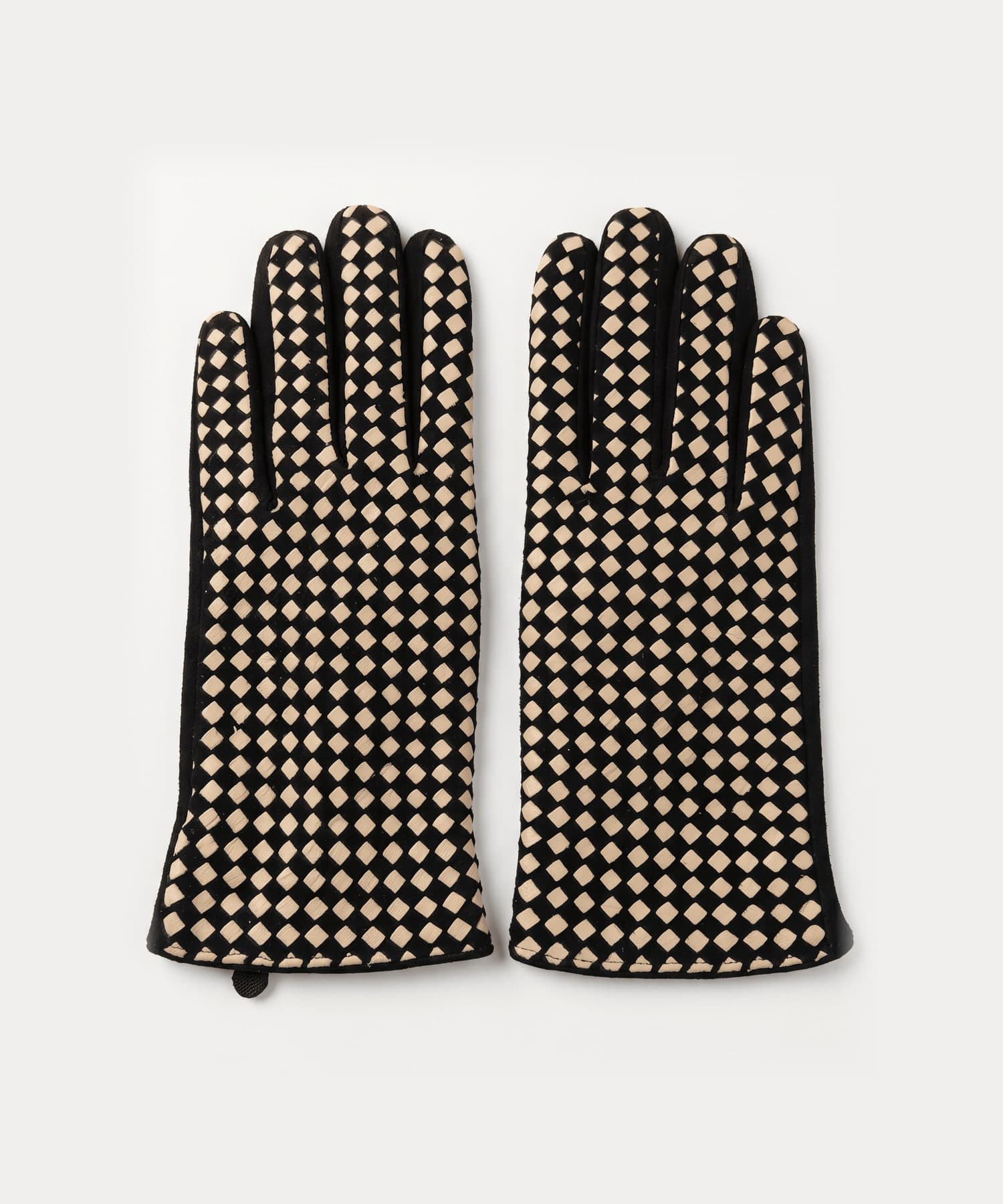
003 checkerboard gloves£120
black suede with a cream checkerboard
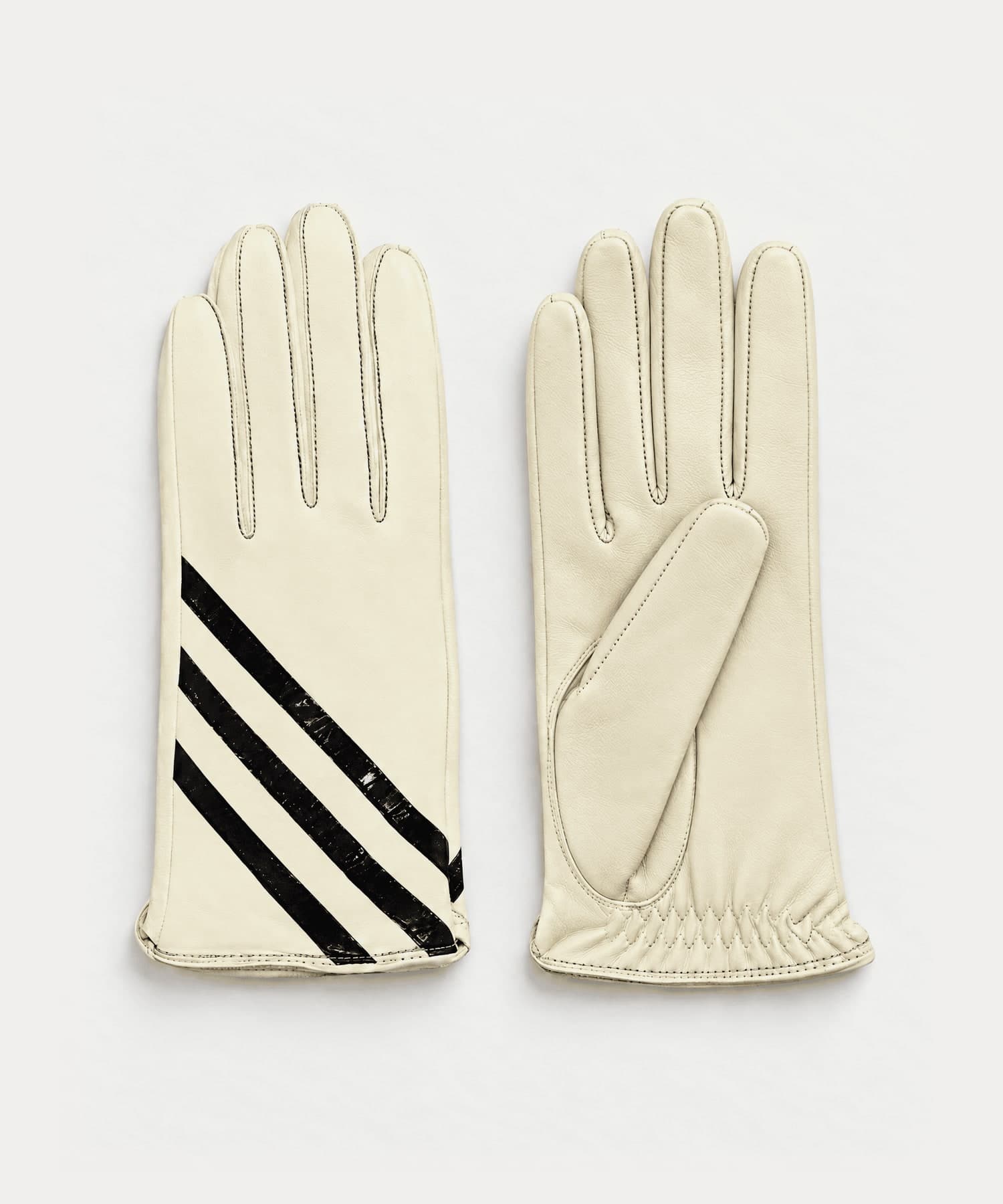
007 striped gloves£120
cream nappa leather with black stripes
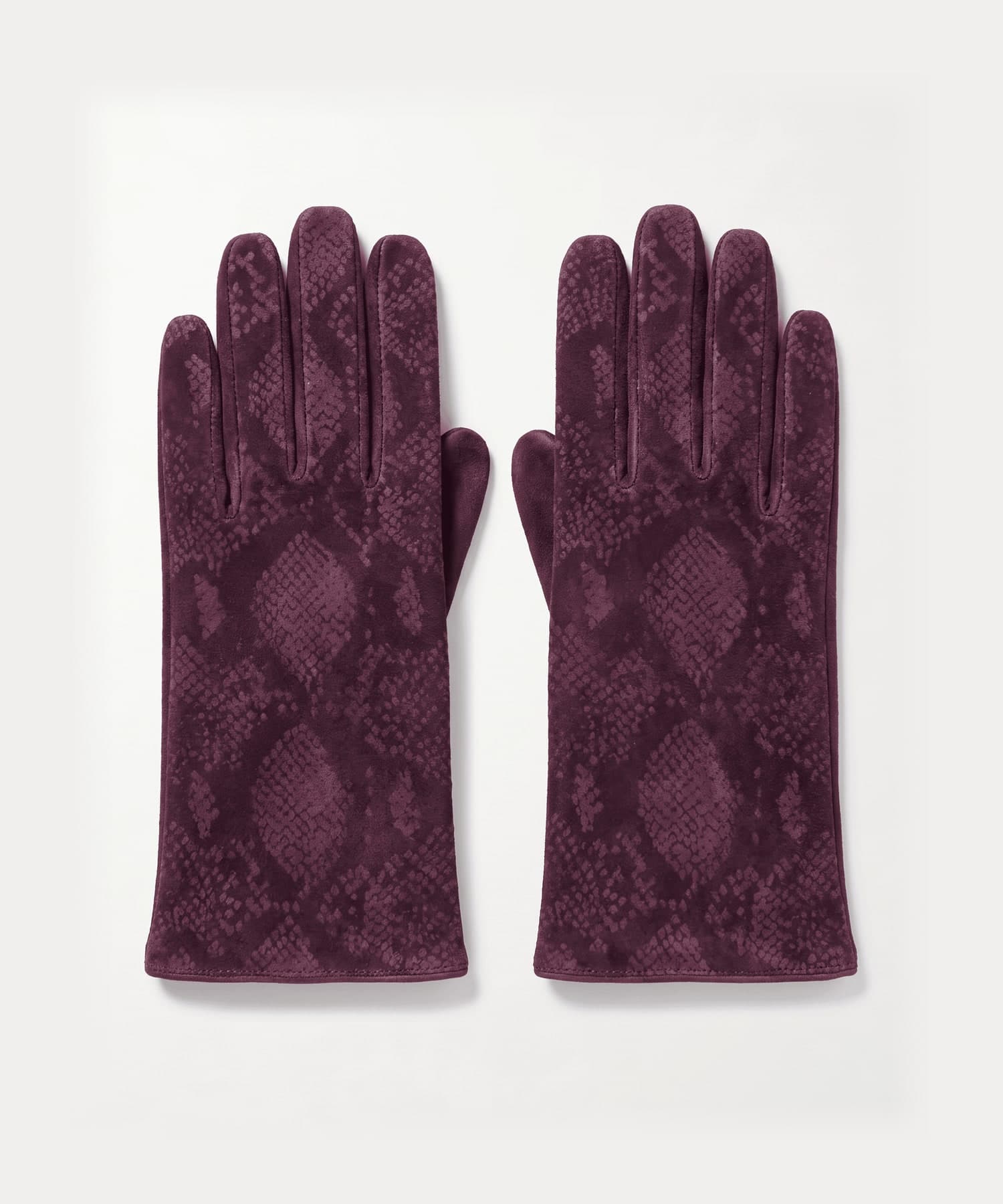
005 plum python-print suede gloves£120
plum suede with python print
every style is size 7 and ships tracked from the uk, free to uk addresses, with returns accepted within 14 days of delivery. delivery & returns
keep reading
sources
- weather.gov, Understanding Wind Chill
- NOWFASHION, Max Mara ready-to-wear fall/winter 2026, Milan
- The Zoe Report, Paris Fashion Week Just Made Getting Dressed A Lot More Fun, 11 march 2026