photographing the most difficult shade
the light, backgrounds, gestures and gentle edits that keep red leather rich in winter photographs, rather than orange, pink or flat.
the short answer
for red gloves winter photos that keep the colour true, shoot in soft overcast daylight or side-on to a window, against a plain grey, dark or snowy background. give the hands something real to do, like holding a cup, then edit gently: lower the red saturation alone, check the hue and keep the white balance slightly cool.
“i knew that red was the most difficult color to work with.” william eggleston said it about one of his most famous pictures, the one of a red ceiling, and stephen shore quotes him1 in a recent essay for aperture that explains, more clearly than anything else in print, why cameras struggle with the colour. film and sensors capture a narrower range of colour than the eye can see. reds that fall outside that range get pushed to the nearest red the medium can manage, and in the process the subtle differences of brightness and hue disappear. the red goes flat. it stops looking like a surface with light on it and starts looking like a sticker.
anyone who has photographed a pair of red leather gloves on a phone will know the result. the colour that looked so rich on the hand turns into a glowing, featureless patch, or drifts towards orange or pink. good red gloves winter photos depend on preventing that. shoot in soft daylight against a plain, cool or dark background, give the hands something real to do, and edit lightly so the red stays true. in winter, when so much of the world is grey, a single red glove gives a photograph its centre of gravity almost by default.
leiter’s winter
the photographer who understood this best may have been saul leiter. as the london review of books2 observed, “time and again in the 1950s he depicts new york under snow, with just a red umbrella or a pair of temporary stop lights.” in one, a black canopy fills most of the frame, a few tiny figures cross the snow beneath it, and a single red tail-light is the only colour in the picture.
those photographs are worth studying before you take a single picture of your own gloves. the red is small. it is surrounded by grey, white and black. it is often slightly out of focus, seen through glass or snow. and it is enough.
light for red gloves in winter photos
overcast daylight is the best friend red has. a grey winter sky gives soft, even light that keeps the colour rich and lets the camera see the grain and seams of the leather. direct midday sun is the opposite. it clips the red, shore’s point exactly, and throws hard shadows between the fingers.
golden hour is seductive but warms everything. late-afternoon light will push a cool cherry towards orange, which is lovely for a tomato-red glove and much less so for a blue-toned one. indoors, turn off the warm overhead bulbs, which make red look brown, and shoot side-on to a window.
backgrounds that make red sing
the fewer strong colours in the frame, the more the gloves become the subject. this is the one place a table helps.
| background | what it does to red | best for |
|---|---|---|
| grey stone, concrete, pavement | clean, modern contrast | street details |
| snow or frost | graphic, almost poster-like | close-ups of the hands |
| a navy or black coat | deep, rich contrast | outfit details |
| a dark evergreen hedge | vivid complementary contrast | seasonal shots, sparingly |
| weathered wood or old brick | warm and textured | softer, autumnal mood |
| lit shop windows | competes with the red | avoid, or blur it heavily |
give the hands something to do
hands look stiff when they are posed and natural when they are busy. let them close around a paper coffee cup, turn up a coat collar, rest on a railing or the back of a bench. hold a wrapped present, a bunch of winter anemones, a paperback. tuck a strand of hair behind an ear, which brings the red up near the face.
the most beautiful gesture is the oldest one. draw a glove off by the fingertips, one finger at a time, and photograph it halfway. the leather creases and catches the light, and the image has a little narrative in it, an arrival, a pause, a hand about to be revealed.
keep the fingers gently curved and slightly apart. a flat palm facing the lens looks like a traffic signal.
frame for the format
for a close-up, fill most of the frame with the hands, the gloves and whatever they are holding, and shoot slightly from above. for a half-length picture, crop at the chin or just below, with the coat, the scarf and the hands, so the gloves sit near the middle. for a full-length picture, step back and let the gloves become a small red point, roughly on one of the thirds of the frame, the way leiter would have done. instagram’s portrait crop suits half-length pictures with the hands in the lower third.
edit with a light hand
phone editing harms red more than any other colour, so be gentle. if the red looks neon, lower the saturation of the red channel only, not the whole picture. check the hue. a cherry glove that has gone orange can be nudged slightly towards magenta, and a tomato glove that has turned pink can be nudged back towards orange. bring down the highlights to recover the texture of the leather, and keep the rest of the picture cool or neutral, because a slightly cooler white balance makes red look richer. avoid filters that tint the whole frame. they muddy red faster than anything.
there is a limit, though. shore notes that editing can change a red into another colour but cannot restore modelling lost to clipping. the real work happens when you choose the light.
leather in close-up
smooth leather reflects light, so angle the hand slightly away from the window to avoid bright hot spots on the knuckles. turn the hand side-on to show the seams and the shape of the fingers, which is where the quality of a glove is most visible. and wipe off raindrops before a close-up; on leather they show as bright white points. the same conditions suit any coloured leather, from a red glove to the deep plum python-print suede gloves: soft light, a quiet background and a hand in the middle of doing something.
red gloves give a winter photograph its focal point, and they make the walk itself more cheerful. for what to wear them with first, see these red leather gloves outfit ideas.
quick answers
- why does red look orange in my photos?
- usually because of warm artificial light or late-afternoon sun. shoot by a window in daylight or on an overcast day, and adjust the red hue slightly in editing if you need to.
- what background makes red gloves stand out?
- grey stone, snow, a navy or black coat, or a dark evergreen. avoid busy, colourful backgrounds, which compete with the red.
- how do i make gloved hands look natural?
- give them a job. holding a cup, turning a collar or pulling off a glove all look easy and unposed. keep the fingers relaxed and slightly curved.
the gloves in this piece
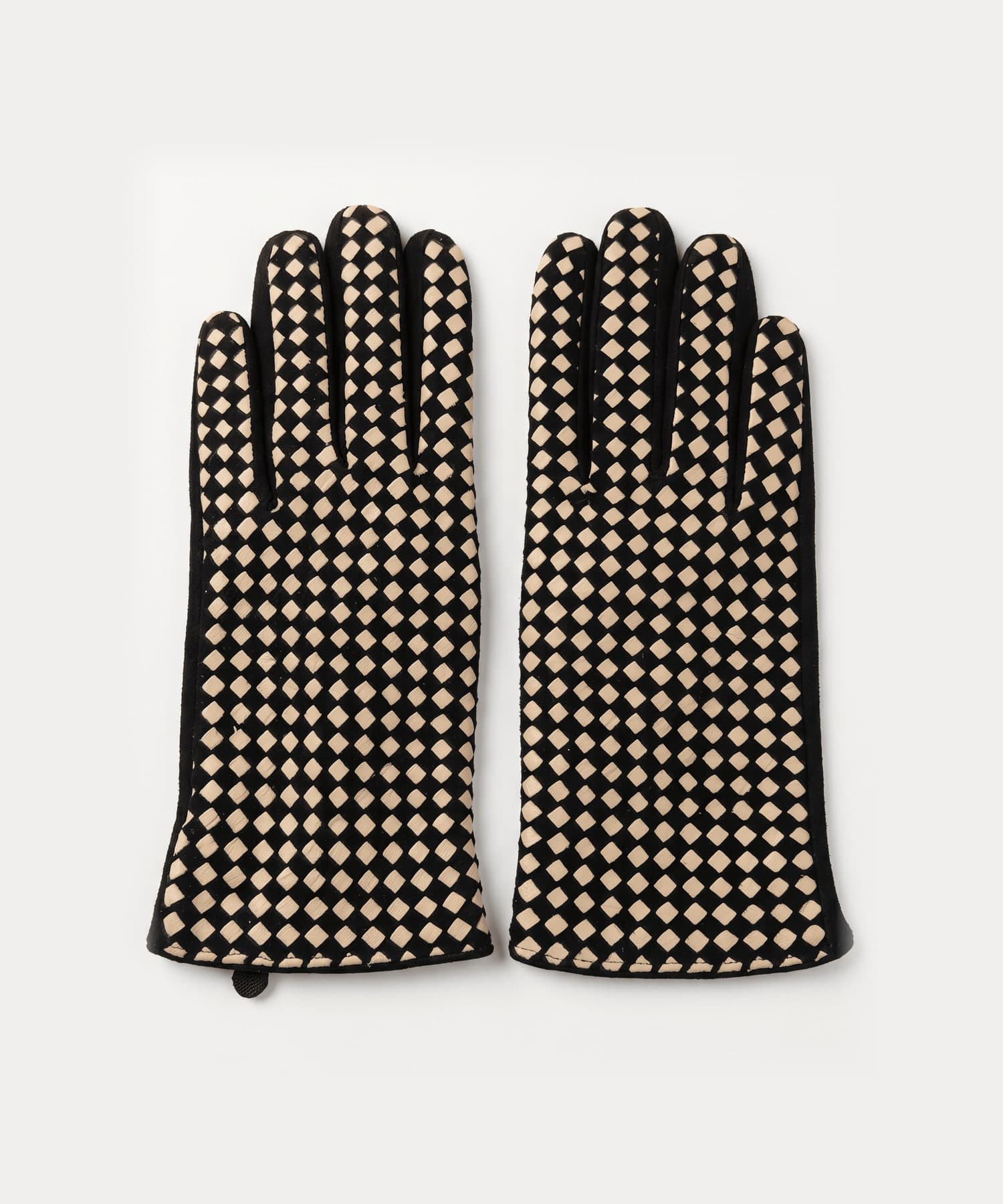
003 checkerboard gloves£120
black suede with a cream checkerboard
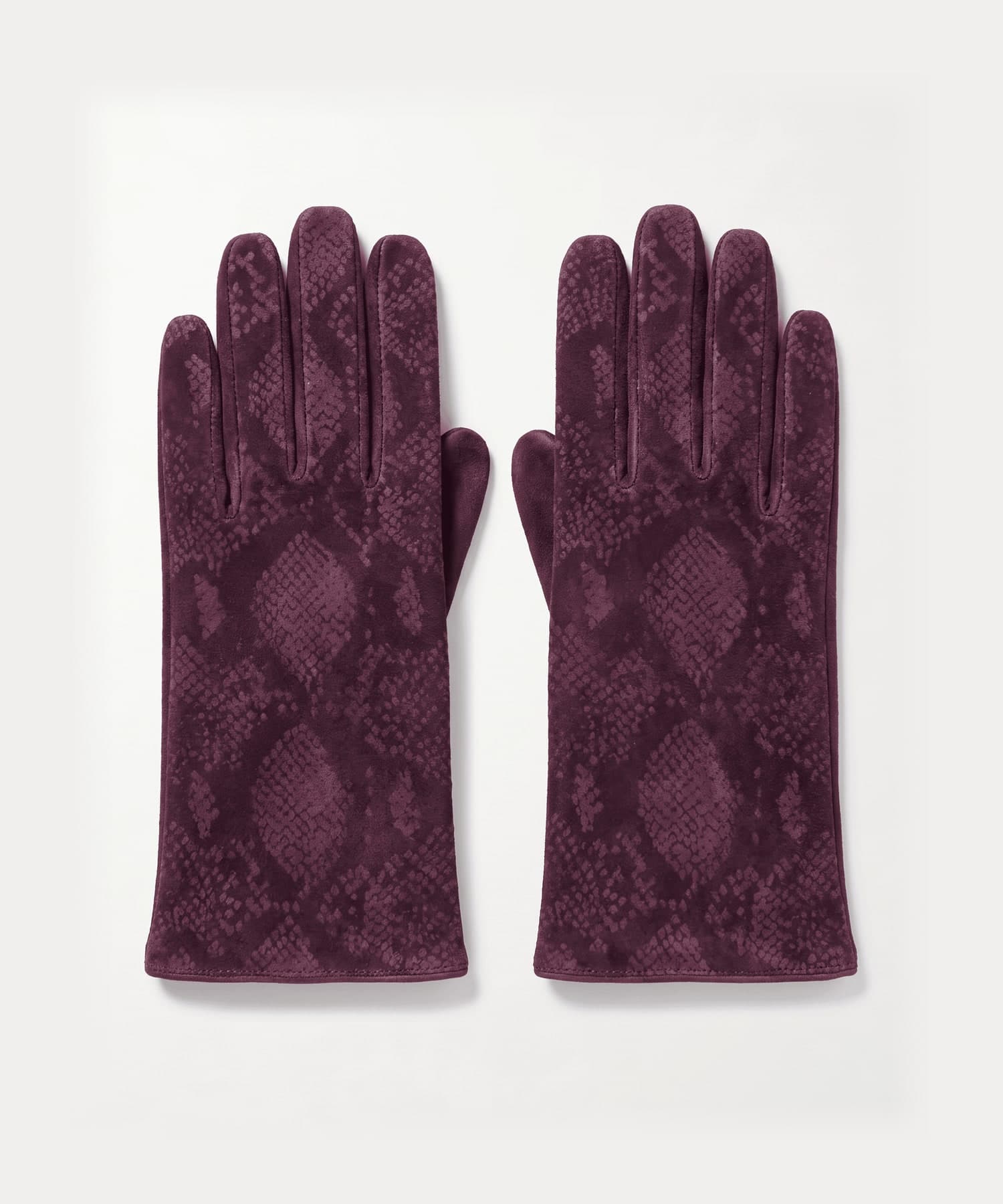
005 plum python-print suede gloves£120
plum suede with python print
every style is size 7 and ships tracked from the uk, free to uk addresses, with returns accepted within 14 days of delivery. delivery & returns
keep reading
sources
- Aperture, Stephen Shore on the Color Red, 25 september 2025
- London Review of Books, No Project, Only Pictures, 16 december 2013